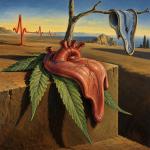
Almost without exception, when a new drug is approved and subsequently widely used, adverse effects that went undetected during clinical trials will begin to emerge. Math and clinical trial design explain why.
cannabis

One could easily be overwhelmed by the barrage of health claims that make the news these days. Cannabis is responsible for more than its share.

Join us on the Science Dispatch podcast as we discuss:

A long-time friend of mine was recently diagnosed with lung cancer. I've known him for 30 years and have never once seen him smoke a cigarette or even smelled cigarette smoke on him. Marijuana is another story.
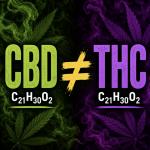
CBD and THC have been studied to death, but chemists are still finding new things to say about the surprisingly simple reaction that connects them.

Join Cameron English, Dr. Chuck Dinerstein and Dr. Barbara Billauer as they examine marijuana's evolving legal status on Episode 63 of the Science Dispatch podcast:


Join host Cameron English as he sits down Dr. Chuck Dinerstein to break down these stories on episode 29 of the Science Dispatch podcast:
In the wake of legalization campaigns across the US, medicinal and recreational use of cannabis have gained widespread support, with nearly 60 million Americans

As marijuana use proliferates, so does the science behind it. But unlike single psychotropic drugs such as oxycodone, Prozac, or LSD, the pharmacology of cannabis is far more complex. Why?
ACSH relies on donors like you. If you enjoy our work, please contribute.
Make your tax-deductible gift today!


Popular articles

ACSH Podcasts