
Last month, we reported on an earth-shattering documentary not-so-subtly titled Seattle Is Dying.
public health

In many ways, science is easier than public policy. The reason is because the former is simply a matter of uncovering facts, while the latter involves not just facts but legal, ethical, and financial considerations as well.

Imagine walking down a city sidewalk in winter. It's dark, wet, cold. You come across a man aged well beyond his years staggering along, grasping a wall so he doesn't fall down.

"Better safe than sorry." That's a great lesson for a child when a parent explains why she should wear a helmet when riding her bicycle. But "better safe than sorry" makes for terrible public health policy.

Just yesterday, I put the finishing touches on an article titled, "10 Worst Bogus Health Stories of 2018." It turns out that my publication was slightly pr

Sold as a panacea but delivered to physicians as a glorified billing platform that erodes the doctor-patient relationship and adds yet another layer of third party prioritizing away from these key stakeholders, the electronic medical record (EMR)

The CDC released a report on Thursday that should cause widespread celebration: The prevalence of cigarette smoking among adults (14%) is at an all-time low since the federal govern

The media trope “if it bleeds, it leads” is at play in undermining accurate messages with respect to the status of vaccine compliance. A fear-based technique intended to capture the audience by news outlets is, sadly, a tried-and-true one.

After a, thankfully, transient health scare, Oprah Winfrey offers some sound advice: “Number one? Don't Google your symptoms.”
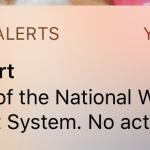
Yesterday, most of the nation received a test of the following alert on our cell phones:
ACSH relies on donors like you. If you enjoy our work, please contribute.
Make your tax-deductible gift today!


Popular articles

ACSH Podcasts