The Q&A is based on Dr. Suleta's original article. You can read it here.
nutrition
***Husband's only feeling was not hurt in the making of this video***

Beans provide protein, an array of micronutrients, and a heavy dose of fiber—a nutrient most Americans lack.

What was the first chemical reaction harnessed by humans? That was undoubtedly fire. And the second? That would be fermentation, the process by which yeasts and bacteria convert carbohydrates into alcohol, organic acids, and carbon dioxide.

Wanna know what annoys me? (Perhaps a better question is what doesn't annoy me.) Near the top of this very long list is the constant and mostly nonsensical war on all things sweet.

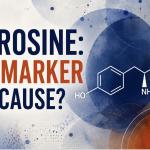
A new study in the journal Aging found that people, especially men, who have higher blood levels of the amino acid tyrosine tended to have slightly shorter lifespans.

While the relationship between diet and health is complicated, there is scientific consensus that a Mediterranean diet can reduce the risk of cardiovascular disease and that excessive intake of ultra-processed food increases it.

Join Cameron English and Dr. Chuck Dinerstein on Episode 151 of the Science Dispatch podcast as they discuss:

Join Cameron English and Dr. Chuck Dinerstein on Episode 132 of the Science Dispatch podcast as they answer some listener questions.
ACSH relies on donors like you. If you enjoy our work, please contribute.
Make your tax-deductible gift today!


Popular articles

ACSH Podcasts