
Having kids profoundly shifted my outlook on life—including the mindset I bring to my work as a journalist.
Pesticides

I've had several people ask me if I have second thoughts about my berry consumption in light of a swarm of news stories about some pesticide residues in Driscoll berries “exceeding Canada’s safety standards.” I’ve often talked about my bre

The BMJ's Journal of Medical Ethics cited Dr.

Why Are Young People Getting Colon Cancer?


University of Nevada, Reno profiled ACSH trustee Mick Hitchcock, Ph.D., in Moving science out of silos. Th

e have to feed plants so that they can feed us. That conclusion was arrived at by virtually every early agricultural civilization, be it in China, Mesopotamia, Europe, or the Americas.
From deadly plants and toxic foods to popular supplements, many natural substances contain powerful toxins. The truth is: safety isn’t about where something comes from — it’s about dose, preparation, and how it’s used.
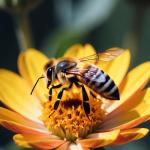
As we celebrate World Bee Day, medical toxicologist Dr. Liza Lockwood joins us to discuss the lesser-known environmental and public health benefits of modern chemistry.
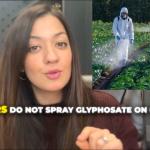
Glyphosate is a low-toxicity, highly effective herbicide widely used in farming to control weeds, boosting crop yields and food production—U.S.

Join Cameron English and Dr. Chuck Dinerstein on Episode 110 of the Science Dispatch podcast as they discuss:
ACSH relies on donors like you. If you enjoy our work, please contribute.
Make your tax-deductible gift today!


Popular articles

ACSH Podcasts