Join us on the Science Dispatch podcast as we discuss:
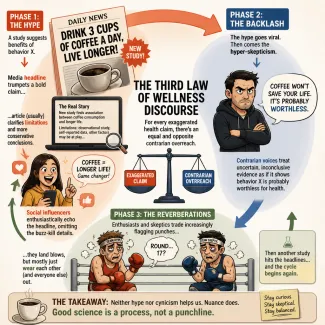
The logic behind that posture is itself worth questioning. People who brand themselves as skeptics often try to align their approach with the scientific method, offering the rationale that skepticism is essential in science. But scientific skepticism is not about reflexively rejecting health claims. It’s about being skeptical of your own hypothesis, whether the hypothesis is that something is beneficial, harmful or does nothing at all.
Listen to the Science Dispatch on iTunes Spotify, Stitcher and Google Podcasts. Or add the RSS feed to your favorite podcast app. Join our Dispatch newsletter to get these stories and more delivered to your inbox.

Cameron English
Executive Vice President
Cameron English is a writer, editor and co-host of the Science Facts and Fallacies Podcast. Before joining ACSH, he was managing editor at the Genetic Literacy Project.