Mark Twain famously said, "What gets us into trouble is not what we don't know. It's what we know for sure that just ain't so."
COVID-19
Press briefings, by any measure, are long and loud. And now they may get longer and louder since there is another potential antiviral drug to yell about.

COVID-19 continues to dominate my reading. While we cannot control the underlying sources and drivers of a pandemic, we can control our response. The literature, mainstream and professional, is beginning to reflect on our response.
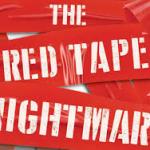
Among the many lessons of the COVID-19 pandemic is how cumbersome one‐size‐fits‐all regulations, administered by an impersonal bureaucracy, hamper a rapid and flexible response to an evolving public health emergency. The U.S.
Since the start of social distancing (March 16, 2020) mobility in the United States has dropped 49%
Every US state has reduced mobility. Early adopters are doing better than late or non-adopters.

By Katherine Seley-Radtke, University of Maryland, B

There has been a lot of confusion in regard to possible treatments for COVID-19 and the timeline for the development and deployment of those treatments.


Throughout the month of January, the world was gripped by an unfolding drama. Glued to their television sets and social media accounts, people were sharing news stories and punditry, eager to learn of the latest developments.

In the next few weeks, we will experience the downside risks of offshoring. Moving manufacturing to areas with specialized expertise should reduce costs and provide a better product.
ACSH relies on donors like you. If you enjoy our work, please contribute.
Make your tax-deductible gift today!


Popular articles

ACSH Podcasts