The “story” of ultra-processed foods (UPFs) has become a tale of horror, with an ominous, omnipotent corporate villain, “Big Food,” mapping mammalian dopamine pathways to turn vulnerable children and their parents into submissive consumers.
Food & Nutrition
Science-backed reporting on diet, nutrients, food systems, and how what we eat affects health — cutting through trends to examine what the evidence actually shows.

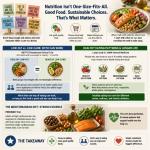
Nutrition advice can sound very certain. Carbs are the problem. Fat is the problem. Seed oils are the problem. Sugar is toxic. Everyone should fast. Everyone needs more protein.

A study published in Nature by researchers at Memorial Sloan Kettering and NYU Langone suggests that sugar-rich foods may ampl

“Wellness influencers” are crawling all over social media platforms.

Good news for the Coke Zero enjoyers among us: in a two-year weight-management program, artificially sweetened drinks were just as effective as water in helping people lose weight and maintain it.

I've had several people ask me if I have second thoughts about my berry consumption in light of a swarm of news stories about some pesticide residues in Driscoll berries “exceeding Canada’s safety standards.” I’ve often talked about my bre

A new meta-analysis in a BMJ Group journal argues for a dose-response association between ultra-processed foods (UPFs) and chronic illness.
***Husband's only feeling was not hurt in the making of this video***

The 1973 movie Sleeper tells the story of a health food store owner who is accidentally cryogenically frozen in 1973 and wakes up 200 years later. Puzzled by the absence of his friends, he asks where they are.

Allulose is a structural variant of fructose. It has the same chemical components, linked together in the same way, but the three-dimensional structure is different. In biological systems, shape matters.
ACSH relies on donors like you. If you enjoy our work, please contribute.
Make your tax-deductible gift today!


Popular articles

ACSH Podcasts