What the FDA s Decision on Thalidomide Really Means

By ACSH Staff — Jul 30, 1998
LOST IN ALL OF THE HULLABALOO surrounding the FDA s reversal last week of its 1962 ban on Thalidomide, the drug that was linked to horrific birth defects, was perhaps an even greater story: what essentially amounts to the very refocussing of the FDA s raison d etre. When the FDA reversed itself and approved Thalidomide, there was no suggestion that the teratogenic results of Thalidomide would no longer occur. Rather, the move signals a changing of the paradigm that guides the agency.
LOST IN ALL OF THE HULLABALOO surrounding the FDA s reversal last week of its 1962 ban on Thalidomide, the drug that was linked to horrific birth defects, was perhaps an even greater story: what essentially amounts to the very refocussing of the FDA s raison d etre.
When the FDA reversed itself and approved Thalidomide, there was no suggestion that the teratogenic results of Thalidomide would no longer occur. Rather, the move signals a changing of the paradigm that guides the agency.

Tags:

Scientists Slam Unscientific PCB Allegations

By ACSH Staff — Jul 23, 1998
The American Council on Science and Health (ACSH) today denounced the opinion expressed earlier this month by EPA Administrator Carol M. Browner at her testimony before a New York State Assembly Committee concerned with the removal of PCBs from the Hudson River. Browner s testimony was part of a campaign by Assemblyman Richard Brodsky that alleges adverse health effects from the consumption of contaminated fish. There is no scientific evidence that trace levels of environmental PCBs are a health threat to the public.

The American Council on Science and Health (ACSH) today denounced the opinion expressed earlier this month by EPA Administrator Carol M. Browner at her testimony before a New York State Assembly Committee concerned with the removal of PCBs from the Hudson River. Browner s testimony was part of a campaign by Assemblyman Richard Brodsky that alleges adverse health effects from the consumption of contaminated fish. There is no scientific evidence that trace levels of environmental PCBs are a health threat to the public.

PANEL of SCIENTISTS CALL NYPIRG s STATEMENT on LEAD POISONING in NEW YORK CITY MISLEADING

By ACSH Staff — Jul 16, 1998
New York, NY July 1998. In a statement released in June 1998 the New York Public Interest Research Group (NYPIRG) reported that 9,000 children in New York City have tested positive for lead poisoning.

New York, NY July 1998. In a statement released in June 1998 the New York Public Interest Research Group (NYPIRG) reported that 9,000 children in New York City have tested positive for lead poisoning.

Olestra: Science Seems to be Winning

By ACSH Staff — Jul 12, 1998
This week marks another watershed in the long running saga of olestra, the non caloric fat substitute. After 2 1/2 days of hearing new scientific evidence, the Food Advisory Committee of the FDA concluded that olestra is a safe product for use in savory snack foods chips, crackers and the like. This conclusion is a long awaited victory of science over hype and fear mongering.

This week marks another watershed in the long running saga of olestra, the non caloric fat substitute. After 2 1/2 days of hearing new scientific evidence, the Food Advisory Committee of the FDA concluded that olestra is a safe product for use in savory snack foods chips, crackers and the like. This conclusion is a long awaited victory of science over hype and fear mongering.

Tags:

Common Sense and Developmental Stage Determine Best Foods for Infants and Children, Health Panel Reports

By ACSH Staff — Jul 01, 1998
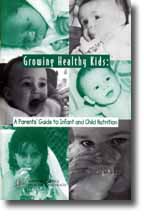
New York, NY July, 1998. Physicians and scientists of the American Council on Science and Health (ACSH) demystify infant and child nutrition in a new report. Growing Healthy Kids: A Parents' Guide to Infant and Child Nutrition describes the nutritional needs and developmental stages of infants and young children and provides sound, commonsensical feeding suggestions. The booklet deals clearly and squarely with issues that face every parent, presenting them in a readable, straightforward format.

New York, NY July, 1998. Physicians and scientists of the American Council on Science and Health (ACSH) demystify infant and child nutrition in a new report. Growing Healthy Kids: A Parents' Guide to Infant and Child Nutrition describes the nutritional needs and developmental stages of infants and young children and provides sound, commonsensical feeding suggestions. The booklet deals clearly and squarely with issues that face every parent, presenting them in a readable, straightforward format.

No Cause For Alarm

By ACSH Staff — Jun 30, 1998
To the Editor: Thomas J. Moore of George Washington University and Larry D. Sasich of Public Citizen's Health Research Group blame the fast track drug approval process for premature approvals and subsequent adverse drug reactions (front page, June 23). In fact the painkiller Duract, now withdrawn, would have been approved even under the old guidelines.

To the Editor:
Thomas J. Moore of George Washington University and Larry D. Sasich of Public Citizen's Health Research Group blame the fast track drug approval process for premature approvals and subsequent adverse drug reactions (front page, June 23). In fact the painkiller Duract, now withdrawn, would have been approved even under the old guidelines.

DECEPTIVE PRACTICES UNDERMINE CREDIBILITY OF CONSUMER GROUP

By ACSH Staff — Jun 22, 1998
June 22, 1998 The American Council on Science and Health (ACSH) has been monitoring the activities of The Center for Science in the Public Interest (CSPI). After a lengthy investigation of CSPI's activities, we have come to some very grave conclusions about this group, which is regularly trusted by Americans as a source of information about food safety. Our findings reveal that CSPI is knowingly engaging in deceptive practices as they attempt to persuade the public and the media that their food safety scares are legitimate.

June 22, 1998
The American Council on Science and Health (ACSH) has been monitoring the activities of The Center for Science in the Public Interest (CSPI). After a lengthy investigation of CSPI's activities, we have come to some very grave conclusions about this group, which is regularly trusted by Americans as a source of information about food safety. Our findings reveal that CSPI is knowingly engaging in deceptive practices as they attempt to persuade the public and the media that their food safety scares are legitimate.

Health Panel Supports Irradiation as Aid to Export of Hawaiian Fruit

By ACSH Staff — Jun 19, 1998
New York, NY June 19, 1998. The American Council on Science and Health (ACSH) today announced its support for the use of irradiation as a fruit and vegetable quarantine process and applauded the planned construction of an irradiation facility near Hilo on the Big Island of Hawaii. It is important for consumers to understand that food irradiation is a safe process,

New York, NY June 19, 1998. The American Council on Science and Health (ACSH) today announced its support for the use of irradiation as a fruit and vegetable quarantine process and applauded the planned construction of an irradiation facility near Hilo on the Big Island of Hawaii.
It is important for consumers to understand that food irradiation is a safe process,