
If CNN set out to scare the hell out of people, its recent plastics report was a spectacular success. But if its intention was to educate people about the real harm of plastics, it bombed. Spectacularly.
The report includes a frightening new analysis of chemicals associated with everyday plastics. Cancer, infertility, hormone disruption, developmental problems, heart disease, diabetes, kidney disease, autism, ADHD, asthma, childhood cancer. If there is a medical condition you would rather not have, chances are plastics made the list.
How reliable is the source? Pfffft.
Let's let the EJF report speak for itself.
The group sure has a lot to say. Is any of it credible? Let's take a look.

Well, that sounds mighty bad. Not might be harmful. Not could pose a risk. Not even have been associated with adverse health effects. Nope. Thousands of them are harming us. Right now.
That's a remarkably definitive statement. Unfortunately, the evidence that follows and the actual claims are considerably less definitive. Suddenly, chemicals aren't harming us anymore. They've been “linked to” infertility, neurodevelopmental disorders, cardiovascular disease, obesity, diabetes, kidney disease, and cancer.
“Linked to” is one of those wonderfully useful catchphrases that means almost nothing. It can describe anything from compelling evidence of causation to a weak statistical association that disappears upon closer examination. Even the inability to juggle cabbages while hopping around on a pogo stick could presumably be linked to cognitive decline.
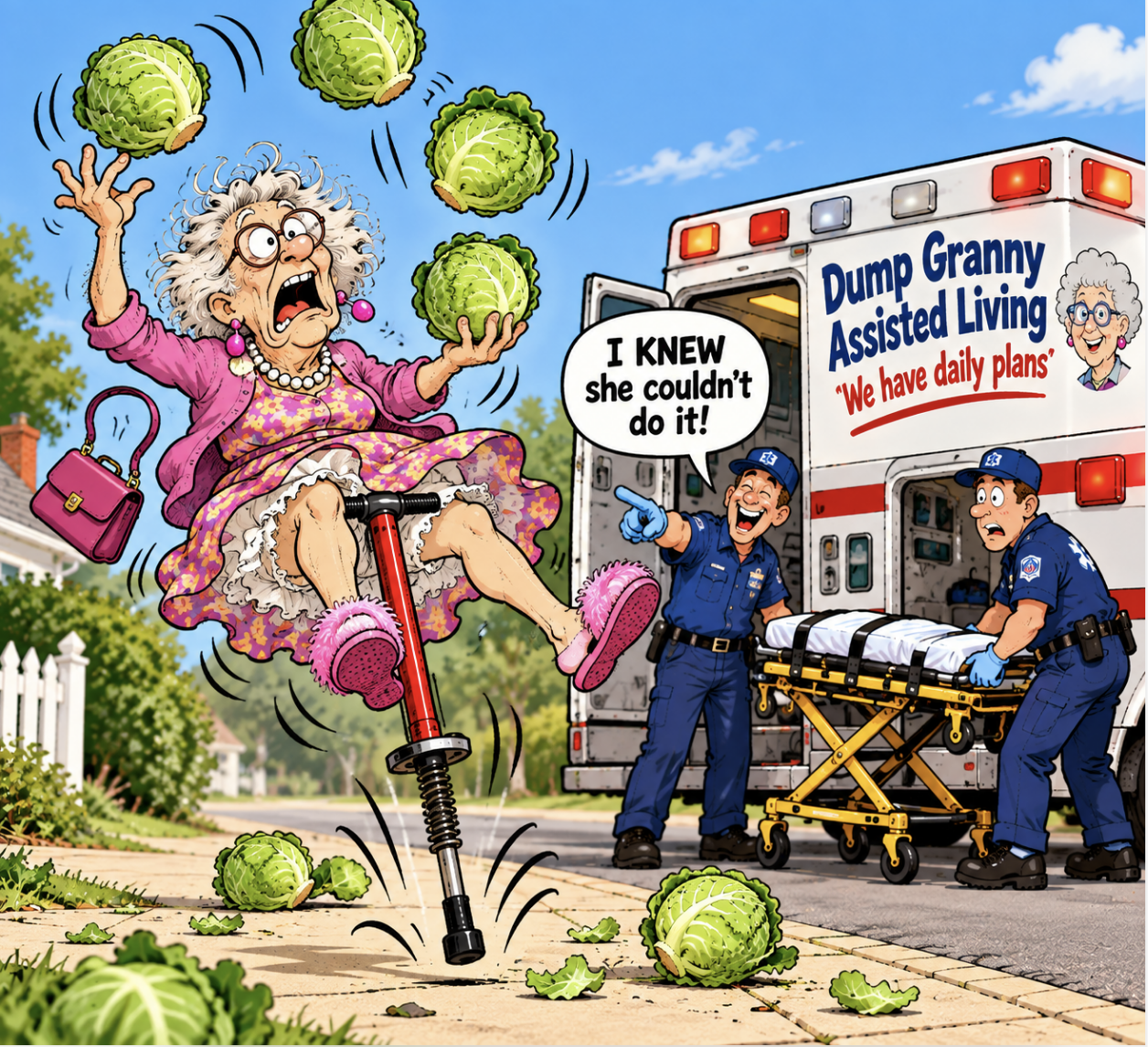
Can it get any worse? Oh yeah.
There are some real doozies in this section. Let's hold our nose and look at a few.
EJF’s analysis reveals both significant health risks and severe deficits in available hazard data for many chemicals found in everyday plastic items
and...
Alarmingly, where this information was available, 92.8% of chemicals assessed were identified by EJF as presenting a high risk to human health
Whoa! Let's calm down and take a look at what this really means because, if it's real, we're all moderately to entirely dead. And last I looked, I probably was not. Where did this horrifying number come from? Could it be here?
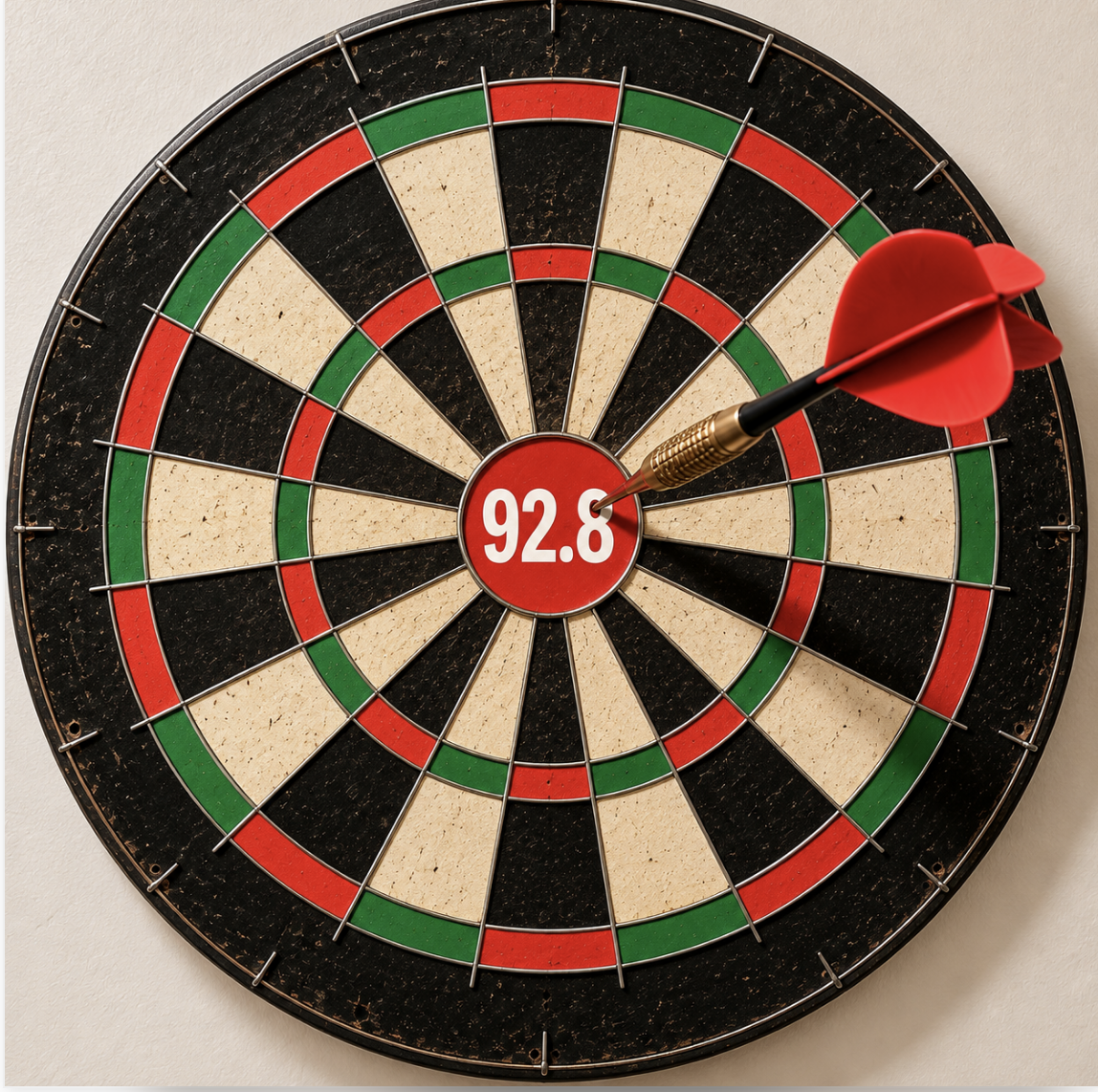
Probably not, because the dartboard would be more accurate. Here's why.
Funny (but not amusing) numbers
EJF started with 3,552 chemicals used in five categories of everyday plastic products. But 2,814 of them (79.2%) lacked relevant data on toxicity, exposure, or both. That left just 738 chemicals with both kinds of information available. The famous 92.8% refers to that subset, not to all 3,552 chemicals. In other words, the 685 chemicals EJF classified as high risk represent 19.3% of the original 3,552; most of the remainder couldn't be assessed this way because relevant data were missing. That's considerably less terrifying than “92.8% of chemicals,” which is probably why nobody put it in 48-point Arial.
That's pretty bad, but there's an even bigger problem.
Hazard isn't risk.
Hazard is a chemical's inherent ability to cause harm under some conditions, often conditions we wouldn't normally encounter. This may or may not have any bearing on real life. Risk is the likelihood that it will actually cause harm under the conditions in which people are exposed to it. Risk depends on how much you're exposed to, by what route, and for how long. In other words, risk is a combination of both hazard and exposure.
A chemical can be hazardous yet pose little or no risk if the exposure is too small to cause harm. Finding a hazardous chemical in a piece of plastic does not, by itself, tell you the risk from using that plastic. In essence, it tells you nothing about risk, and the risk is what matters.
A chemical's ability to cause cancer, reproductive toxicity, or endocrine effects under some set of conditions tells us remarkably little about whether the amount escaping from a plastic container is actually harming anyone. For that, you need a quaint little concept called "dose," a concept that has been around for a few years.
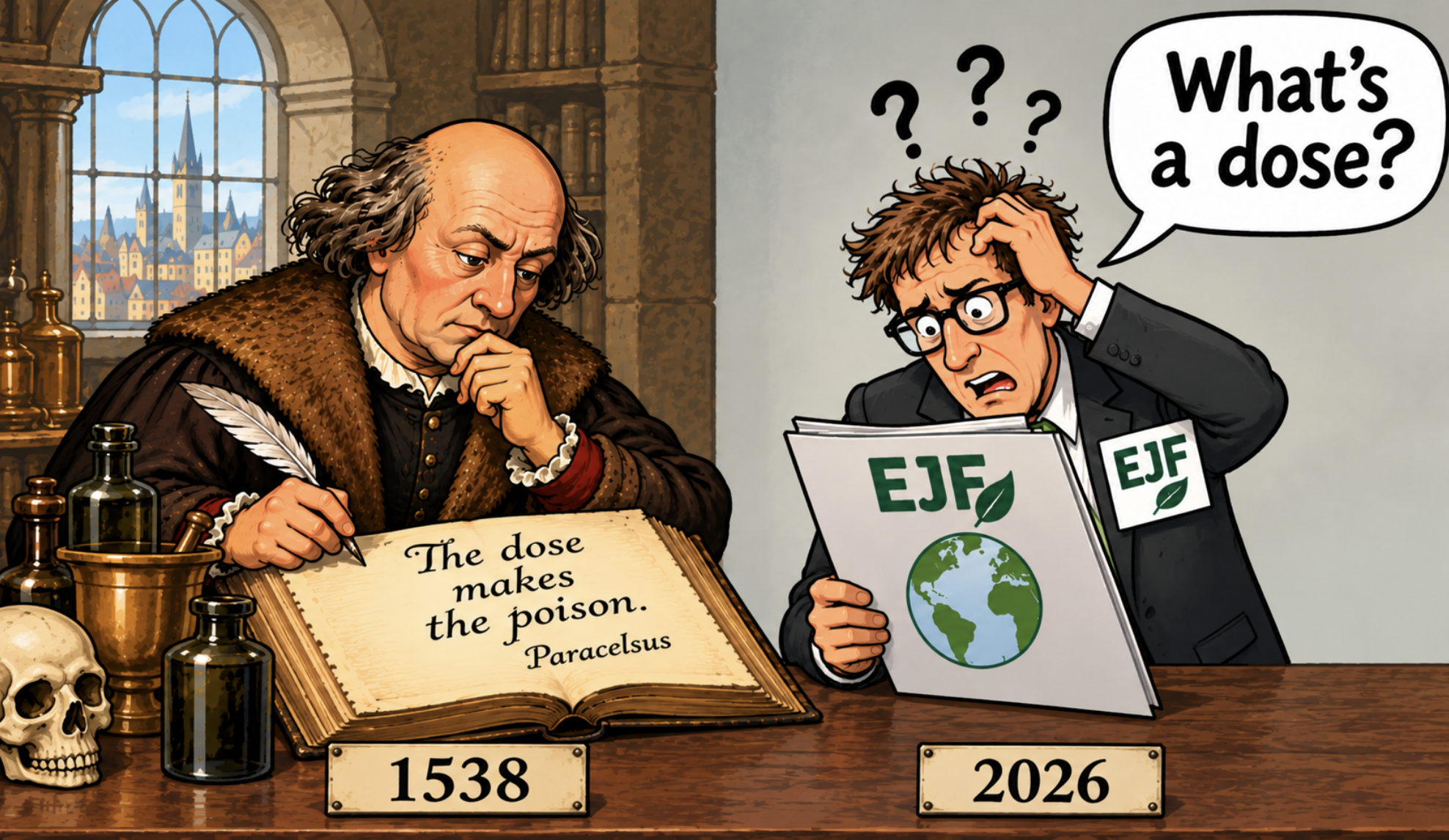
Closing in on five centuries, and people still don't get it.
EJF has an interesting definition of exposure
Here's where things get really strange. Of the chemicals for which EJF had exposure information, only 26.1% had evidence that they were actually released from plastics during use. The other 73.9% were classified as having “potential for exposure.” The mere presence of a chemical, or even its marketing for use in plastic, is apparently enough to qualify.
That's some mighty generous accounting. But presence isn't exposure. Exposure isn't absorption. Absorption isn't dose. And dose isn't harm. Somewhere along that journey, toxicology fell out of the car.
How to turn two maybes into “high risk”
And here's where the magic happens. For each chemical, EJF combines its toxicity and exposure classifications. A chemical with high or suspected toxicity and high or merely potential exposure is classified as “high risk.” On Earth, this conclusion is bogus. Think about that for a moment. A chemical whose toxicity is merely suspected and whose exposure is merely potential can nonetheless emerge from the other end of the calculation as a high risk to human health.
If this isn't scare tactics, then I don't know what is.
But there's more!
What about the 26.1% for which there actually is evidence of release from plastics? That's worth noting, but it still doesn't establish risk. Not even close. Release isn't the same thing as human exposure. It tells us nothing about how much of the chemical is released, how much reaches a person, how much is absorbed, or whether the resulting dose is sufficient to cause harm. Once again, the dose seems to have gone missing.
And let's not forget the other elephant wandering around the plastics factory. EJF lacked relevant toxicity data, exposure data, or both for 79.2% of the 3,552 chemicals it examined. That doesn't mean those chemicals are safe. It doesn't mean they're dangerous either. It means we don't know.
Bottom line
From this mish-mash of missing data, suspected toxicity, potential exposure, and evidence of release without meaningful dose information, EJF concludes that “we are facing a plastic-related health crisis.” Maybe we are. But this analysis doesn't demonstrate it.
So, here's some barf-worthy science to brighten your Thursday. Might want to carry a plastic bag. That stuff can come in handy.
NOTE:
[1] PlastChem is a database developed by researchers at the Norwegian University of Science and Technology (NTNU) and other institutions that compiles information on chemicals used in plastics from regulatory and other sources. EJF used PlastChem data rather than conducting its own toxicity testing. Like IARC, PlastChem's toxicity classifications are hazard-based, not risk-based. Hazard tells us what a chemical can do, not what it is likely to do under real-world exposure conditions. Confuse the two, and chemicals can become considerably scarier than the actual risk warrants.

Josh Bloom
Director of Chemical and Pharmaceutical Science
Dr. Josh Bloom, the Director of Chemical and Pharmaceutical Science, comes from the world of drug discovery, where he did research for more than 20 years. He holds a Ph.D. in chemistry.