
These hidden costs can take the form of resources such as time and money. Most egregiously, they can infringe upon our rights. The quarantining of healthcare workers possibly exposed to Ebola was out of an abundance of caution.
Policy & Ethics
Where science meets society: regulatory decisions, research ethics, public health policy, and the debates around how scientific knowledge is applied, funded, and communicated.

Given that the “truth” will likely never be known, and certainly not provable, the question becomes: is it important to seriously consider the lab leak theory?

A decade ago, most people thought of Tylenol (acetaminophen) as a medicine for fever, malaise and minor aches and pains.

Since COVID-19 made landfall over three years ago, at least 65 laws have been enacted restricting the powers of the State to mandate public health measures. By comparison, only 17 laws augmented state powers.

Join host Cameron English as he sits down Dr. Henry Miller to break down these stories on episode 34 of the Science Dispatch podcast:



Senator Susan Collins (R‑ME) wrote an op‐ed for Seacoastonline this week express
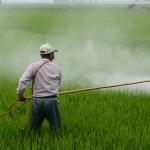
Countless articles at the American Council on Science and Health have reported on the studies underlying the regulatory science of glyphosate. It would be fair to say that our analysis suggested little risk.

For those unfamiliar with the Texas Two-Step, you can find my earlier discussion of J&J here.
ACSH relies on donors like you. If you enjoy our work, please contribute.
Make your tax-deductible gift today!


Popular articles

ACSH Podcasts