Humans, it seems, are susceptible to DSS -- "do something syndrome."
cancer

The individuals, academic labs, and "cancer-for-hire" environmental groups have "done" their job splendidly in misleading and confusing the American public about which causes of cancer are real and which are false.
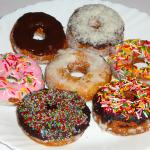
A recently published story in the BMJ links the risk of breast cancer and all cancers to consumption of what are termed "ultra-processed" foods.

One of the top trending Google searches at the time of this writing was "asparagine," one of the roughly 20 amino acids that make up the proteins in our bodies and in our food.

One of the many problems with academia is that it allows nutcases to flourish.
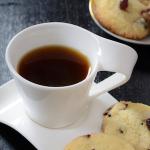
A judge in California is going to determine whether or not coffee causes cancer.
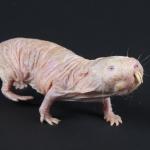
In spite of having a face (and body) that only a mother could love, the naked mole rat, Heterocephalus glaber, (NMR) may provide valuable insights into the processes involved in both aging and cancer since they seem to have a lo

President Donald Trump is fit for duty - medically, mentally, cognitively, psychologically, emotionally, physically and otherwise.

Those in Hollywood are in a unique position to do tremendous good given their substantial platform. Unfortunately, with that megaphone comes immense responsibility.
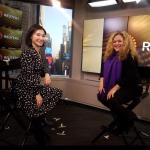
Recently, I had the pleasure of filming a segment on the top medical, science and technology innovations of 2017 at Reuters TV in Times Square, New York with host of CCTV Bianca Chen (video clip forthcoming).
ACSH relies on donors like you. If you enjoy our work, please contribute.
Make your tax-deductible gift today!


Popular articles

ACSH Podcasts