A cheap remedy, period: Tranexamic acid for excessive bleeding
The same drug used to reduce heavy menstrual cycles may reduce the risk of complications from hemorrhage associated with trauma, Reuters reports.
Last week brought word of a study which claimed that the anti-depressant drug known by the trade name Lexapro (escitalopram) could reduce the incidence of hot flashes among menopausal women. Dr. Ross notes that the study offered less than the headlines suggested. In fact, a placebo did not do all that much worse than the anti-depressant.
Yesterday’s Science section of The New York Times included an intriguing article by columnist John Tierney on whether the government has a proper role in regulating commercial sales of DNA analysis tests to the general public.
The Annals of Internal Medicine has just reported on a large-scale study at more than 4,000 U.S. hospitals which showed that thirty-day survival rates for patients diagnosed with congestive heart failure were more than twenty percent better among those who went to hospitals more accustomed to providing care for the condition.
Monday brought word, first reported in the Canadian Medical Association Journal, of possible risks for patients simultaneously taking calcium channel blockers and erythromycin (E-Mycin) or clarithromycin (Biaxin) — both macrolide antibiotics. Calcium channel blockers are widely prescribed blood pressure medications.
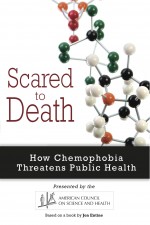
Yesterday, ACSH was the scene of a press conference to announce the publication of our new book, Scared to Death: How Chemophobia Threatens Public Health.
The American Council on Science and Health (ACSH) is pleased to announce the release of a new book and companion friendly, abbreviated position paper, Scared to Death: How Chemophobia Threatens Public Health.
The “Green” movement has set its sights on a new consumer market: green pharmaceuticals. Slate reports that hysteria about the effect of consumers flushing pills down the toilet — including hypothetical claims that intersex minnows found in water were contaminated by pharmaceuticals — has prompted some environmentalists to suggest that manufacturers should reformulate popular drugs to render them more biodegradable. “This is the dumbest thing I’ve ever heard,” says ACSH’s Dr. Josh Bloom.
Consumers looking to take dietary steps towards cancer prevention might want to hold off on a daily V8 regimen. The British Journal of Cancer reports that increasing fruit and veggie consumption has little impact on cancer prevention, at least among well-nourished populations. Dr. T.J.
Talk about waking up on the wrong side of the bed — results of a new study suggest that the popular sleep aid Ambien, sold generically as zolpidem, can leave folks over 60 temporarily groggy and clumsy when awakened abruptly.