Urgent care centers and retail clinics top the list when it comes to the inappropriate use of antibiotics, according to a new study in JAMA Internal Medicine
antibiotic resistance
Even with the advent of the antibiotic era, infectious diseases are a global health concern.

I have been writing for years (1) about the emergence and spread of bacteria that are resistant to virtually all antibiotics, and that it was only a matter of time until they reached the US. Time's up.

Recently, I had the pleasure of filming a segment on the top medical, science and technology innovations of 2017 at Reuters TV in Times Square, New York with host of CCTV Bianca Chen.

Those of us who are intent on eating only as nature intended apparently want to extend that prescription to our pets.
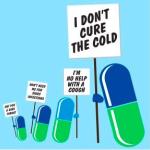
Of all the problems we don't need, an increase in bacterial resistance to antibiotics is near the top of the list.

Bacteria that are resistant to one, multiple or even all known antibiotics, commonly known as superbugs, are one of the leading concerns in the medical and scientific communities.

Unlike animals, bacteria can readily share genetic information with other bacteria, even those of entirely different species.

When a patient enters a hospital or doctor's office with a cough, difficulty breathing, and chest discomfort/pain - physicians may be able to easily diagnose a lung infection. But, what is causing the infection is a different story.

I have repeatedly written about the vital need to stop one-size-fits-all approaches to complicated medical conditions and health policy as well as how imp
ACSH relies on donors like you. If you enjoy our work, please contribute.
Make your tax-deductible gift today!


Popular articles

ACSH Podcasts