
From CAR-T cancer therapy to the power of CRISPR-Cas9, the recent advancements in gene therapy are astounding.
FDA

Is the Wild West of stem cell therapies coming to an end? Newly released guidelines from the U.S.
In an effort to combat patient non-compliance with medications, the FDA just approved the first pill with an ingestible tracking sensor.

You can hardly buy a food product these days without seeing a claim that some food or ingredient in the product somehow benefits health. One of these has been that consuming soy protein could help decrease the risk of heart disease.

It is hard to know what gadgets for your new baby are useful, which are unnecessary and which are actually harmful.

Warning letters by the United States Food and Drug Administration (FDA) can be interesting to read. A recent one, from the end of September, is more interesting than most.

It is Game On! at Commissioner Scott Gottlieb's U.S. Food and Drug Administration.

Bacteria that are resistant to one, multiple or even all known antibiotics, commonly known as superbugs, are one of the leading concerns in the medical and scientific communities.

For some time, we have been covering the investigation into the practices used to produce the homeopathic teething products that allegedly caused illnesses and deaths of infants.
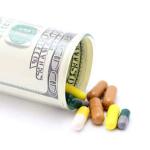
The cancer drug business is quite a profitable one. A “high risk, high reward” proposition has been the narrative for those in research and development (R&D). Successes, marketing, patent protection and discovery cost money.
ACSH relies on donors like you. If you enjoy our work, please contribute.
Make your tax-deductible gift today!


Popular articles

ACSH Podcasts