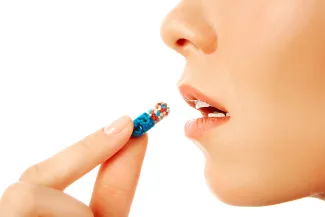
Here’s how it works: The pill looks like a regular capsule. Inside, alongside your medication, is a tiny rolled-up antenna made of safe, biodegradable zinc and cellulose, plus a micro RF chip. When you swallow it, stomach fluids quickly dissolve the outer coating—within minutes. This exposes the antenna, which picks up a low-power radio signal from a nearby receiver—maybe in a wearable patch or bedside device. The pill then sends back a simple confirmation: “I’m here. I’ve been ingested.” The biodegradable parts break down harmlessly in your stomach within about a week, while the tiny chip passes naturally through your digestive system. In tests with animal models, the signal reliably reached up to two feet away, confirming ingestion in under 10 minutes. Why does this matter? Medication non-adherence costs billions and contributes to hundreds of thousands of preventable deaths each year. Half of people with chronic conditions skip doses. This could transform care for transplant patients on immunosuppressants, those treating HIV or tuberculosis, or anyone needing long-term meds. It’s a small pill with a big signal—one that could save lives by ensuring the medicine actually gets taken.