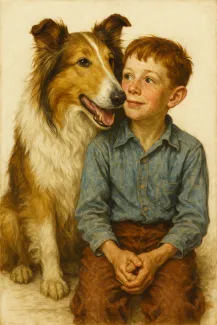
As I reported recently, adolescence is a time when the brain remains under construction, especially the regions involved in decision-making, emotional control, and how we relate to others. One environmental factor that has attracted scientific interest is pet ownership, specifically dogs, our most common companion animal. While studies have suggested that caring for a dog can reduce stress, ease loneliness, and help people build social connections, the research is mixed. Many parents will note that caring for Fluffy devolves to them and can be a tradeoff between additional parental stress and comfort. Unsurprisingly to us in the dog tribe, cat ownership didn’t show the same benefit.
Enter the microbiome
The microbiome, the community of bacterial “others” living within us, plays a role in our behavior. It should come as no surprise that dog licks and sharing a common space result in owners sharing microbial species with Fluffy. Like the latest on peanuts, early exposure to dog-associated microbes can reduce allergy risk. For the scientist, noting the impact of dogs on our behavior and our microbiome, it is a short step to the key question,
Could part of the mental-health benefit of growing up with dogs be explained by changes in teenagers’ microbiota?
To test their hypothesis, they collected oral bacteria from adolescents with and without dogs, transplanted those microbes into germ-free mice, and observed how the mice behaved. If the behavior of the mice changed depending on whose microbiota they received, it could suggest a biological link between living with dogs and social development. For those who can’t wait, the answer is a definite perhaps.
- Teens With Dogs show fewer difficulties with social interactions, less social withdrawal, fewer “thought-related” problems, and less aggressive behavior than matched teens without dogs.
- Dog Ownership Leaves a Subtle Microbial Footprint, while all teens had oral bacteria that were similar and diverse, several specific bacterial strains, especially from the genus Streptococcus, were more abundant in teens with dogs.
- Germ-free Mice were transplanted with teen saliva. Those mice receiving microbes from dog-owning teens were more willing to approach and investigate another mouse in need. They showed more social “sniffing” and engagement than those mice saliva-buddies of the matched control teens without a doggie companion.
- Microbes from dog-owning teens appeared to make mice more socially interested and responsive.
- Good vs. Bad Bacteria: For both teens and canines, certain Strep strains were linked to sociality, while others were not, or only weakly. So it seems that specific strains may support social behavior.
Overall, the findings suggest that part of the well-being boost from living with dogs may come from our shared microbial companions, not just the furry ones.
Let’s be clear: the authors emphasize that causality has not been established; however, it has been tantalizingly teased out. Several limitations, including the sequencing technology and the sampling of teen saliva and mouse feces, make it impossible to draw definitive conclusions.
Despite these uncertainties, the study’s findings offer a potential hidden mechanism of sociability. The emotional and social benefits of growing up with a dog might be supported not only through companionship and reduced stress, but also through biological threads woven into the microbiome, where microbial tiny messengers connect shared environments, interpersonal relationships, immune responses, and even neural systems related to bonding and empathy.
Should you rush out and let your dog lick you? Probably not. The study doesn’t prove that canine kisses or shared microbes directly make teens more sociable or emotionally resilient. But it does offer a tantalizing glimpse into a hidden layer of our relationship with dogs—one where the emotional comfort they provide is accompanied by microscopic companions that may subtly shape behavior. It seems that when it comes to the microbiome, it is more than “you are what you eat.” It may also be that you are who you live with.
Source: Dog ownership during adolescence alters the microbiota and improves mental health iScience DOI: 10.1016/j.isci.2025.113948

Chuck Dinerstein, MD, MBA
Director of Medicine
Dr. Charles Dinerstein, M.D., MBA, FACS is Director of Medicine at the American Council on Science and Health. He has over 25 years of experience as a vascular surgeon.