Chemists Detect Olive Oil Fraud
New research indicates that extra-virgin olive oil may not be the pure, wholesome maiden you've been anticipating for your dinner night.

Though chlorine has been attacked as being "dangerous" to one's health, it's got a health-supporting side, too. In pools it combines with nitrogen-containing compounds to take them out of circulation. How do they get there in the first place? A recent study showed that (like it or not) people pee in pools — and the presence of artificial sweeteners proves it.
Can we prevent global warming by substituting beans, which, as compared to beef, produce less greenhouse gases? Here's the underlying hypothesis.
An abundance of caution; we have all heard the phrase. And in what situations does that apply? For the most part, situations where there's a remote chance of a catastrophic outcome that puts its thumb on the scale.
Rep. Steve Scalise (R-LA) is back in intensive care after progressing from last month's shooting on a baseball field. Why do traumas, like gunshot wounds, require such comprehensive interventions? And why do thery carry infection risks?
When is it safe to stop vaccinating against measles? Or against other rare and infectious diseases? In short, vaccinating against them can cease once the threat of future transmission is deemed sufficiently low.
Compared to warm winters, cold winters are likelier to land more people in the hospital, particularly the emergency room.
Junkscience.com has informed the New England Journal of Medicine that it may have been the victim of scientific misconduct regarding a paper recently published on air pollution and mortality. The contention was that material information was omitted from the work.
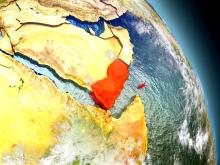
The growing cholera crisis in Yemen has, unfortunately, earned the title of "the largest cholera outbreak in the world." The most heartbreaking aspect of cholera outbreaks is that even though we know how to stop them, we don't.
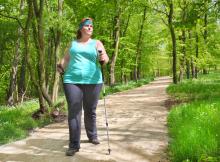
Good news: more of us are walking than we were even 10 years ago, and over 60 percent of both adult men and women report regular walking. That still leaves us with a large proportion of couch potatoes; certain demographic groups do lag behind. Perhaps the message that needs better targeting: even moderate activity can be beneficial.