Tale of the Tortoise Tape: Diego vs. Lonesome George

By Erik Lief — Sep 16, 2016
Often times news stories originating from the Galapagos Islands off the coast of Ecuador focus on animal preservation efforts that have fallen short, fragile habitats spoiled by humankind and endangered species of one form or another. But recently it was about a slow-moving, four-legged centenarian tortoise known as Diego, who has been credited with single-handedly bringing his subspecies back from the brink of extinction.

Often times news stories originating from the Galapagos Islands off the coast of Ecuador focus on animal preservation efforts that have fallen short, fragile habitats spoiled by humankind and endangered species of one form or another. But recently it was about a slow-moving, four-legged centenarian tortoise known as Diego, who has been credited with single-handedly bringing his subspecies back from the brink of extinction.

Settled Does Not Mean Proved: The Scientific Method And Why So Many People Get It Wrong

By ACSH Staff — Sep 15, 2016
Claims that the “the science isn’t settled” with regard to climate change are symptomatic of a large body of ignorance about how science works. So what is the scientific method, and why do so many people, sometimes including those trained in science, get it so wrong? The first thing to understand is that there is no one method in science, no one way of doing things. This is intimately connected with how we reason in general.

Claims that the “the science isn’t settled” with regard to climate change are symptomatic of a large body of ignorance about how science works. So what is the scientific method, and why do so many people, sometimes including those trained in science, get it so wrong?
The first thing to understand is that there is no one method in science, no one way of doing things. This is intimately connected with how we reason in general.

With Bayer Buying Monsanto, Non-GMO Project Is Puzzled About Who To Fearmonger

By Hank Campbell — Sep 15, 2016
Bayer, the German conglomerate, has agreed to buy Monsanto, the seed and pesticide company, for $66 billion, ending speculation about the acquisition. Now, the speculation turns to American anti-science groups and how they will continue to demonize a company that isn't part of evil America, but instead is based in the Europe they love to invoke.

Bayer, the German conglomerate, has agreed to buy Monsanto, the seed and pesticide company, for $66 billion, ending speculation about the acquisition. Now, the speculation turns to American anti-science groups and how they will continue to demonize a company that isn't part of evil America, but instead is based in the Europe they love to invoke.

Chemicals In Your Dust? Sure, But Hardly Toxic

By Ana-Marija Dolaskie — Sep 15, 2016
Sure, there are chemicals in your dust: phthalates, phenols, flame retardants, etc; they come from your furniture, flooring, toys, and cleaning products. None is toxic to your children, but one could be harmful in the fight against antibiotic resistance.

Sure, there are chemicals in your dust: phthalates, phenols, flame retardants, etc; they come from your furniture, flooring, toys, and cleaning products. None is toxic to your children, but one could be harmful in the fight against antibiotic resistance.

Working While Sick Is Dumb — But We Do It Anyway

By Ana-Marija Dolaskie — Sep 15, 2016
Showing up to work at all costs is very much the American way. Called "presenteeism" — the opposite of absenteeism — is when workers come to their place of business instead of recovering from whatever ails them. This behavior, which accounts for 75 percent of productivity loss, also racks up a number of health issues: fatigue, depression, sleep disorders, and anxiety.

Showing up to work at all costs is very much the American way. Called "presenteeism" — the opposite of absenteeism — is when workers come to their place of business instead of recovering from whatever ails them. This behavior, which accounts for 75 percent of productivity loss, also racks up a number of health issues: fatigue, depression, sleep disorders, and anxiety.

Government 'Torture' of Physicians:  Where’s the Outrage?

By Jamie Wells, M.D. — Sep 15, 2016
Enjoy the first installment of a new series entitled The Shackling of the Physician, about inane and laborious diagnostic coding excesses. Bitten by orca? Opera house as place of occurrence of external cause? Pecked by chicken? You have to be kidding ... Can anyone say #physicianburnout?    

Enjoy the first installment of a new series entitled The Shackling of the Physician, about inane and laborious diagnostic coding excesses. Bitten by orca? Opera house as place of occurrence of external cause? Pecked by chicken? You have to be kidding ... Can anyone say #physicianburnout?


Unisex Contraception Could Target Male Sperms' Ability to Swim

By Alex Berezow, PhD — Sep 15, 2016
Some men would give their right testicle to have access to contraception that doesn't involve pleasure-killing condoms or cringe-inducing surgical snips. Biology, unfortunately, has made targeting contraception at the female reproductive system far easier than targeting the male reproductive system.

Some men would give their right testicle to have access to contraception that doesn't involve pleasure-killing condoms or cringe-inducing surgical snips. Biology, unfortunately, has made targeting contraception at the female reproductive system far easier than targeting the male reproductive system.

Ebola is Not Gone, It's Hiding

By Julianna LeMieux — Sep 14, 2016
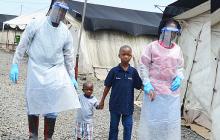
Who could possibly forget Ebola - the virus that we were all talking about before Zika? In June of this year, the WHO declared the end of Ebola virus transmission in the Republic of Guinea and in Liberia. Due to the large numbers of survivors there, new information is being understood about the virus and its ability to remain in humans after infection. The results are both surprising and quite scary. 

Who could possibly forget Ebola - the virus that we were all talking about before Zika? In June of this year, the WHO declared the end of Ebola virus transmission in the Republic of Guinea and in Liberia. Due to the large numbers of survivors there, new information is being understood about the virus and its ability to remain in humans after infection. The results are both surprising and quite scary. 

Chemically Useful Nanoparticles Can Be Grown Using Human Hair

By Alex Berezow, PhD — Sep 14, 2016
Besides making wigs, or perhaps some rather bizarre clothing and artwork, there aren't a lot of practical uses for discarded human hair. But that could change thanks to a team of Japanese and South Korean chemists.

Besides making wigs, or perhaps some rather bizarre clothing and artwork, there aren't a lot of practical uses for discarded human hair. But that could change thanks to a team of Japanese and South Korean chemists.

Hillary Clinton Says She Has Pneumonia, And That Means ... ?

By Chuck Dinerstein, MD, MBA — Sep 14, 2016
Like other sources of reliable medical and scientific information, we were asked about her diagnosis and potential for being contagious. Unlike most media outlets we will not make diagnostic statements based on videotape and supposition; we will not speculate on the diagnosis or treatment. But we will spend a few moments talking about pneumonia.

Like other sources of reliable medical and scientific information, we were asked about her diagnosis and potential for being contagious. Unlike most media outlets we will not make diagnostic statements based on videotape and supposition; we will not speculate on the diagnosis or treatment. But we will spend a few moments talking about pneumonia.