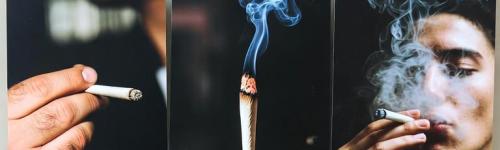
“For me, a hit of raw cookie dough might make me almost as happy as, say, going to a concert.
Other Science News
Noteworthy findings and developments that don't fit neatly into one field — physics, ecology, climate science, astronomy, and other discoveries worth knowing about.
My image of the town square with various community members offering their world views has always felt satisfyingly fair.

So what’s the deal with Marie Curie’s laboratory notebooks? I recently read a question on an internet Q&A website asking how they can still be dangerous after a century and claiming that even touching the pages can put one at risk.

One of the consequences of the confused and, at times, complicated messaging of our public health system and the 24-7-365 drumbeat of the media is that fear has been a primary driver during COVID times.
“In November 1932, Franklin D. Roosevelt defeated Herbert Hoover in a landslide.



“As the legend goes, the primordial deities Parvati, mother of the natural world, and her husband Shiva, who possessed the power of destruction and creation, brought sacred balance to the Universe through their union.
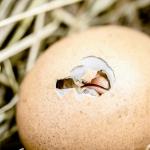
Birds, A Boon to Bacteria
ACSH relies on donors like you. If you enjoy our work, please contribute.
Make your tax-deductible gift today!


Popular articles

ACSH Podcasts