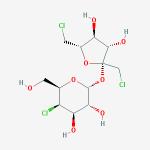
It's almost boring to keep telling people about the safety of sucralose and other approved sweeteners because we've done it so many times (for example here
Food & Nutrition
Science-backed reporting on diet, nutrients, food systems, and how what we eat affects health — cutting through trends to examine what the evidence actually shows.

Much like the search for the Fountain of Youth is the search by our overweight population for the "best" way to lose weight. Is it the low carb diet, the grapefruit diet, or the Zone diet?


The obesity epidemic has helped focus attention on Americans' eating habits, with an eye to the extent to which they are associated with consumption of excess calories.

There has long been evidence that socioeconomic status has a positive and linear correlation with general health and even more specific medical conditions.

For 21st century dieters, is it time for the written food journal to go high tech?

As we've noted before, the amount of sodium an adult should consume has been, and still is, a bone of contention, with some experts finding t

Choline is a B-complex vitamin found in the lecithin of many plants and animals. The Institute of Medicine notes that is prevents some chronic diseases. That's good. But a new paper suggests supplemental choline is clot enhancing.

Public-health campaigns focusing on reducing smoking have found that including graphically disturbing images in their messaging has proven to be effective.
If you just read the headlines, you'd immediately run to your pantry (or wherever you keep soft drink) and pour all your diet sodas down the sink.
ACSH relies on donors like you. If you enjoy our work, please contribute.
Make your tax-deductible gift today!


Popular articles

ACSH Podcasts