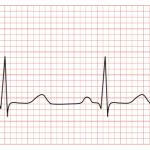
Electrocardiograms, ECGs, are one means of capturing information about the function and structure of the heart by looking at the heart’s electrical activity.
aging

There are several theories to explain why, as we grow old, our physical and mental abilities decline. One belief holds that the small errors made in copying our cells accrue over time and result in our declining abilities and death.

In the fall, the World Health Organization will review the revisions to the eleventh “International Statistical Classification of Disease and Related Health Problems” (ICD-11), and while the title alone can lull you to sleep, it is a document that

With right-to-die legislation in its fledgling stages in the United States, the bioethics surrounding assisted suicide are in play as they haven’t been in the past.

In spite of having a face (and body) that only a mother could love, the naked mole rat, Heterocephalus glaber, (NMR) may provide valuable insights into the processes involved in both aging and cancer since they seem to have a lo

Along with the projected increase in the number of elderly people over the next few decades, we can also expect an increase in the ailments that bedevil them — and few are as concerning as Alzheimer's Disease and other forms of dementia.

While wildfires, floods and earthquakes threaten everyone in their paths, older folks are distinctly more vulnerable, as exemplified by the fact that of the people who died in the recent northern California wildfires, most were over 65 years old.

There are many questionable aging-related products on the market. One of the more recent is TeloYears, a test that supposedly determines your "true age" by measuring the length of a structure on your chromosomes called telomeres.

The most common form of dementia, Alzheimer’s Disease (AD), currently afflicts 5.5 million adults in the United States and is estimated by 2050 to impact 13.8 million (age 65 or older).
Why is this happening?

The prevalence of dementia in the United States significantly declined from 11.6% in 2000 to 8.8% in 2012. A new study by JAMA Internal Medicine
ACSH relies on donors like you. If you enjoy our work, please contribute.
Make your tax-deductible gift today!


Popular articles

ACSH Podcasts