In October, a viral TikTok video urged viewers to buy an essential oil veg
Food & Nutrition
Science-backed reporting on diet, nutrients, food systems, and how what we eat affects health — cutting through trends to examine what the evidence actually shows.

Life goes on as gene-edited foods begin to hit the market.

Farmers Markets Create Awareness and Community

Once a cultural and political force to be reckoned with, the anti-GMO movement has lost control of the crop biotechnology narrative.
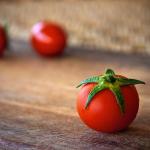
In the coming years, a genetically engineered tomato may be your first line of defense against high blood pressure.

Those delightful calories we swallow are broken down as we chew them up, further dissolved with acids in the stomach, which then releases them to our intestinal tract, where we absorb the nutrients and send the rest to our microbiome.


When we argue over genetically engineered crops and pesticides in the developed world, the outcome of the debate doesn't determine whether or not we go hungry.

“Stay out of the middle of the supermarket; shop on the perimeter of the store. Real food tends to be on the outer edge of the store….” Michael Pollan

ACSH relies on donors like you. If you enjoy our work, please contribute.
Make your tax-deductible gift today!


Popular articles

ACSH Podcasts