
There is a tale, often retold in modern healthcare discourse: the tension between not only two competing industries, but, more importantly, two different ideologies concerning the nature of the scientific method and its philosophical foundat
wellness industry

For celebrities and athletes, supplements are often an easy money maker. Athletes capitalize on their public image of strength, endurance, vitality, and athletic prowess by marketing a small pill, powder, or gummy as the key to their success.
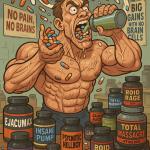
It's no secret that I'm a supplement skeptic [1]. Thanks to a 1994 federal law, the DSHEA [2], companies, some of which are deeply unethical, are able to sell all kinds of crap.

In recent years, the $6.3 trillion global “wellness” industry has marketed itself as a viable, liberating alternative to conventional medicine — promising empowerment, “natural” health, and personal control.

The $5.6 trillion wellness industry sells a seductive premise: pursue personal well-b

Health and wellness are intertwined in ways that will be difficult to untangle.


Being the serious healthcare professional that I am, I view no task as too large or rigorous when it comes to ensuring the public’s safety. That's why I readily accepted the grueling assignment of investigating the “‘8 Wellness Trends for 201
ACSH relies on donors like you. If you enjoy our work, please contribute.
Make your tax-deductible gift today!


Popular articles

ACSH Podcasts