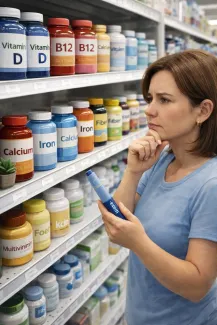
GLP-1–based medications have reshaped the treatment of obesity and type 2 diabetes. By reducing appetite and slowing gastric emptying, they help people feel full with smaller meals—a significant win for weight loss and glycemic control.
But there’s a quieter trade-off: smaller meals can also mean fewer essential nutrients. While substantial weight loss delivers clear metabolic benefits, nutrient shortfalls, especially when appetite stays low for months, and the pounds disappear, may subtly undermine those gains over time.
At this stage, there’s relatively little direct clinical evidence linking GLP-1 use to widespread micronutrient deficiencies. But several recent reviews and expert commentaries raise theoretical and, in some cases, observed concerns about nutrient adequacy, a risk especially relevant for those using GLP-1s long-term or in populations already at risk of deficiency.
So, what might be getting left behind, and how do we stay ahead of it? Here are some key nutrients to watch, and what you can do.
1. Vitamin B12: The energy-sustaining nerve protector
Some people who’ve had bariatric surgery show declining vitamin B12 after starting semaglutide. This may relate to reduced intake of animal protein and delayed stomach emptying, which can interfere with B12 absorption. B12 supports nerve health, cognition, and red blood cell formation.
What to do
✅ Eat animal products or fortified cereals
✅ Supplement if plant-based or intake is low
✅ Test levels if fatigue, brain fog, numbness, or tingling symptoms show up
2. Vitamin D: The bone + mood defender
Clinical reviews have noted that reduced food intake on GLP-1–based meds can increase the risk of inadequate intake of fat-soluble vitamins, particularly vitamin D, which is already deficient in up to 90% of people with obesity. Vitamin D supports bone health, immune balance, and mood, so levels matter.
What to do
✅ Eat fatty fish, fortified milk (plant or dairy), and eggs
✅ Supplement dietary sources with vitamin D from sunlight exposure
✅ Test D levels yearly, supplementing vitamin D through winter if required
3. Calcium: The structural backbone
Severe calorie restriction is associated with bone mineral density loss—especially in postmenopausal women—and because people on GLP-1s may end up eating very little, bone-supporting nutrition deserves attention. Calcium is vital for bone strength, but lower-calorie diets on these meds can make it harder to meet needs, especially with fewer dairy or fortified foods.
What to do
✅ Include calcium-rich foods like tofu, yogurt, leafy greens, dairy milk, or fortified plant milks
✅ Supplement only under professional guidance—up to 1000 mg/day, but no more than 500 mg at a time for best absorption
4. Iron: The oxygen carrier
Even in calorie-sufficient diets, iron can be a concern, especially for women. A 2025 pilot study in people with type 2 diabetes found that semaglutide reduced iron absorption, raising concern that GLP-1 therapies may negatively affect iron status in some individuals.
What to do
✅ Include beef, lentils, spinach, cashews
✅ Add citrus fruit or bell peppers (a rich vitamin C source) to boost absorption
✅ Test iron levels if you experience fatigue or brain fog
✅ Avoid high-dose iron unless prescribed
5. Fiber: The gut health + satiety powerhouse
Fiber supports digestion, blood sugar control, and satiety. While insufficient intake is typical across the general population, it may be a particular concern for people taking GLP-1 medications, who tend to eat less and simplify their diets. A 2024 review highlighted how reduced appetite and meal volume may contribute to fiber shortfalls.
What to do
✅ Aim for 25–30g/day from food where possible
✅ Add berries, chia seeds, beans, and whole grains
✅ Consider a psyllium husk supplement if constipation is an issue
6. Protein: The muscle-saving nutrient
GLP-1 users often eat less overall, so meeting protein needs usually takes a more intentional approach—especially in older adults or during rapid weight loss. While these medications aren’t known to directly impair protein absorption, protein adequacy is key for preserving muscle mass during weight loss.
What to do
✅ Aim for 1–1.2 g protein/kg body weight daily—or more if you're active or over 60.
✅The newly released 2025–2030 Dietary Guidelines endorse up to 1.6 g/kg/day, which equates to about 145g of protein for someone weighing 200 pounds.
✅ Include protein in every small meal: yogurt, lentils, eggs, shakes
Final word
GLP-1 medications help people eat less—and that’s the point. But smaller meals don’t magically become more nutritious just because they’re smaller; they become higher-stakes. While actual, widespread micronutrient deficiencies haven’t been definitively proven in GLP-1 users, the risk is plausible—especially over months to years, during rapid weight loss, or in people already starting behind (older adults, post-bariatric patients, menstruating women, and anyone with a limited diet).
The fix isn’t panic or turning every meal into a spreadsheet. It’s a strategy. If you’re staying on GLP-1s long-term, treat nutrition like part of the prescription: choose nutrient-dense foods first, consider targeted supplements when appropriate, and perhaps get periodic labs when “feeling fine” turns into “why am I exhausted and achy?” six months from now.

Angela Dowden
Angela Dowden is a British health journalist, author, and Registered Nutritionist. She has nearly 30 years’ experience bringing food, nutrition, and health science to life for international audiences through her print and online work.