The “story” of ultra-processed foods (UPFs) has become a tale of horror, with an ominous, omnipotent corporate villain, “Big Food,” mapping mammalian dopamine pathways to turn vulnerable children and their parents into submissive consumers.
Food & Nutrition
Science-backed reporting on diet, nutrients, food systems, and how what we eat affects health — cutting through trends to examine what the evidence actually shows.

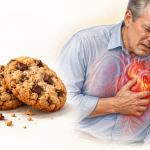
A new meta-analysis in a BMJ Group journal argues for a dose-response association between ultra-processed foods (UPFs) and chronic illness.
***Husband's only feeling was not hurt in the making of this video***

The 1973 movie Sleeper tells the story of a health food store owner who is accidentally cryogenically frozen in 1973 and wakes up 200 years later. Puzzled by the absence of his friends, he asks where they are.
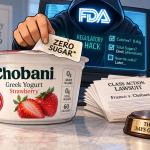
Allulose is a structural variant of fructose. It has the same chemical components, linked together in the same way, but the three-dimensional structure is different. In biological systems, shape matters.

Beans provide protein, an array of micronutrients, and a heavy dose of fiber—a nutrient most Americans lack.
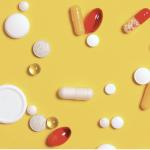
Vitamins are substances that must be included in the diet to maintain health and prevent certain deficiency diseases. They cannot be synthesized by the body in sufficient amounts.


Imagine how ridiculous it would be to come across a group claiming that drinking two liters of cherry-flavored soda was one of the best ways to treat gastritis, thanks to its combination of carbonation and acidulants.

In Czechoslovakia, there was a time when parents had to decide whether to tell a child that Russia was not your friend and that communism was a failed system. The parents had to judge when the child was ready.
ACSH relies on donors like you. If you enjoy our work, please contribute.
Make your tax-deductible gift today!


Popular articles

ACSH Podcasts