Most individuals begin the process towards overweight and obesity early in life.
Disease
Coverage of infectious and chronic diseases — their causes, mechanisms, epidemiology, prevention strategies, and the latest science on how the body fights back.

“All models are wrong, some models are useful.”
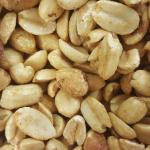
Peanut allergy can be life-threatening
Peanuts are legumes, and it is different from tree nuts. A person allergic to peanuts may not be allergic to almonds, cashews, pistachios, walnuts, and pecans.

There is a wide variety of opinions about the value of the use of lockdowns as a method of controlling the spread of COVID, ranging from "a complete waste of time that did more harm than good" to "they weren't done strictly enough."

A recent paper in Physics of Fluids that blends physics and climate with the traditional SIR pandemic model provides some clues. It is a model and does not promise predictions, just insights into how various parameters interact.

We now know that exposure to the virus and subsequent infection depends not only where you are but how you behave.


Two of my grandparents died of lung cancer.

To standardize for differences in population, we present these data on the basis of one million persons. We used 10-day centered moving averages to smooth out daily fluctuations.

I previously wrote about my first vaccination adventure. It was fantastic. Couldn't have gone better. This time, not so much.
ACSH relies on donors like you. If you enjoy our work, please contribute.
Make your tax-deductible gift today!


Popular articles

ACSH Podcasts