
A scene that appears in many movies involves a recently bereaved individual who picks up a garment that belonged to their departed loved one. The bereaved will draw the garment close to their face, and take a long whiff.
Disease
Coverage of infectious and chronic diseases — their causes, mechanisms, epidemiology, prevention strategies, and the latest science on how the body fights back.

Winter is bad enough. Long, dark, cold nights. Wind-chill factors. Digging out your car. Cabin fever.

Another creepy hemorrhagic fever is in the news. This time, the victims are pigs, rather than humans.
Herpes-infected rhesus macaque monkeys have been in the news because there is a group of them in the Silver Spring, FL area which is growing. And in the process of growing, they are also infecting each other.
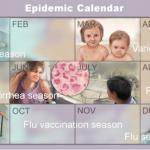
It is once again flu season, and yes, you should get a flu vaccination. But why is flu so seasonal; for that matter, why did polio strike more in the summer and what about acute flaccid myelitis?

Some symptoms present more of a challenge to doctors than others.

By Claire Cleveland, Inside Science

The homelessness crisis in several major cities across the United States is a national embarrassment. And the news keeps getting worse.

This adventure begins in North Carolina. I'll let the CDC begin: "In early February 2017, two adults traveled from North Carolina to Arkansas with two dogs and 13 cats."

Our current vaccination rate is around 38%, despite a flu season last year that took 80,000 lives.
ACSH relies on donors like you. If you enjoy our work, please contribute.
Make your tax-deductible gift today!


Popular articles

ACSH Podcasts