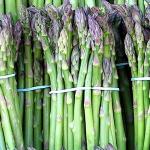
One of the top trending Google searches at the time of this writing was "asparagine," one of the roughly 20 amino acids that make up the proteins in our bodies and in our food.
Food & Nutrition
Science-backed reporting on diet, nutrients, food systems, and how what we eat affects health — cutting through trends to examine what the evidence actually shows.

Before I start ranting about this and that, here's the take-home message.

In June 2016, the International Agency for Research on Cancer (IARC) published their findings on coffee, mate and hot beverages and their role in carcinogenesis.

What’s the best way to eat if you want to lose weight? By this I don’t mean any particular diet or fad.


Stonyfield Farm, an organic corporation started by Samuel Kaymen in 1983, really rocketed to prominence when its then president, Gary Hirshberg, discovered a way to increase his market share with not much marketing cost at all: wher
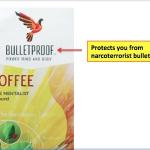
Let's say that you've somehow managed to piss off a bunch of narcoterrorists. This is usually not good.
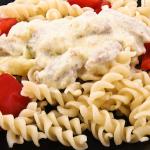
Several years ago, during a layover in Copenhagen's airport, I struck up a conversation with an elderly British couple.
Noting that about 30 percent of obese individuals are metabolically healthy (1), Dr.

When a doctor's solemn advice is to workout or exercise frequently, the mandate can easily be viewed as necessary drudgery.
ACSH relies on donors like you. If you enjoy our work, please contribute.
Make your tax-deductible gift today!


Popular articles

ACSH Podcasts