Earth Day Has Become Polluted by Ignorance and Political Correctness

By Henry I. Miller, MS, MD — Apr 20, 2023
Once a touchy-feely, consciousness-raising New Age experience, it's now an occasion for environmental activists to prophesy apocalypse, dish antitechnology dirt, and allow passion and zeal to trump reality.

Once a touchy-feely, consciousness-raising New Age experience, it's now an occasion for environmental activists to prophesy apocalypse, dish antitechnology dirt, and allow passion and zeal to trump reality.


How Road Rage Affects Your Driving ... and Self-Driving Cars of the Future

By Chuck Dinerstein, MD, MBA — Apr 19, 2023
“Beef,” a new Netflix series, explores “two strangers whose lives collide after they incense each other during an incident of road rage.” Maybe those long-promised self-driving cars will help us become more polite, and road rage will be of only historical interest. A new study looks at when our rage surfaces behind the wheel.

“Beef,” a new Netflix series, explores “two strangers whose lives collide after they incense each other during an incident of road rage.” Maybe those long-promised self-driving cars will help us become more polite, and road rage will be of only historical interest. A new study looks at when our rage surfaces behind the wheel.

Making Vicodin and Percocet Safer, By Reducing the Dose of Tylenol

By Josh Bloom — Apr 19, 2023
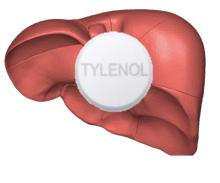
Lost in the discussion of the alleged danger of opioid medications is that most of them also contain acetaminophen (Tylenol). Although acetaminophen is generally seen as benign, it is not. Here is what happened when the FDA cut the maximum acetaminophen dose to 325 mg. You may be surprised.

Lost in the discussion of the alleged danger of opioid medications is that most of them also contain acetaminophen (Tylenol). Although acetaminophen is generally seen as benign, it is not. Here is what happened when the FDA cut the maximum acetaminophen dose to 325 mg. You may be surprised.

Consumer Product Safety Commission is Concerned About Gas Stoves. Are Candles, Pets Next?

By Fred Lipfert, PhD — Apr 19, 2023
On January 11, the CPSC issued a statement of concern about emissions from gas stoves while stating that it had no plans to ban them. Here are the comments I have submitted to the Commission during its public comment period. It’s time for the larger issue of indoor air pollution to get its due.

On January 11, the CPSC issued a statement of concern about emissions from gas stoves while stating that it had no plans to ban them. Here are the comments I have submitted to the Commission during its public comment period. It’s time for the larger issue of indoor air pollution to get its due.

Entasis Scores. Now What?

By David Shlaes — Apr 18, 2023
Entasis Scores! The FDA's anti-infectives advisory board unanimously recommended approval of Entasis sulbactam-durlobactam for the treatment of hospital and ventilator-acquired pneumonia, caused by resistant strains of Acinetobacter. Wonderful news. But will the company survive?

Entasis Scores! The FDA's anti-infectives advisory board unanimously recommended approval of Entasis sulbactam-durlobactam for the treatment of hospital and ventilator-acquired pneumonia, caused by resistant strains of Acinetobacter. Wonderful news. But will the company survive?

A Breakthrough in Parkinson's Disease

By Chuck Dinerstein, MD, MBA — Apr 18, 2023
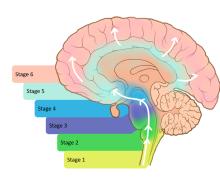
“Our findings suggest that the αSyn-SAA technique is highly accurate at detecting the biomarker for Parkinson’s disease regardless of the clinical features," says Luis Concha, Ph.D., "making it possible to accurately diagnose the disease in patients at early stages.” For those in the Parkinson's Disease community, this is a big-deal, “game-changing” report.

“Our findings suggest that the αSyn-SAA technique is highly accurate at detecting the biomarker for Parkinson’s disease regardless of the clinical features," says Luis Concha, Ph.D., "making it possible to accurately diagnose the disease in patients at early stages.” For those in the Parkinson's Disease community, this is a big-deal, “game-changing” report.

Psoriasis and the Dead Sea

By Susan Goldhaber MPH — Apr 18, 2023
A recent trip to Israel included a stop at the Dead Sea. Many people from around the world travel to the Dead Sea for treatment for psoriasis and other diseases. As I have often questioned flawed studies and research without a scientific basis, I wondered whether there are facts behind the claimed beneficial effects of the Dead Sea. 

A recent trip to Israel included a stop at the Dead Sea. Many people from around the world travel to the Dead Sea for treatment for psoriasis and other diseases. As I have often questioned flawed studies and research without a scientific basis, I wondered whether there are facts behind the claimed beneficial effects of the Dead Sea. 

'Notable Articles' in the New England Journal of Medicine in 2022

By Henry I. Miller, MS, MD — Apr 18, 2023
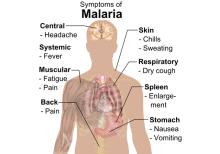
The year saw breakthrough articles on highly successful treatments for sickle cell disease, β-thalassemia, rectal cancer, COVID-19, and malaria, and a terrific bionic pancreas for Type 1 diabetics.

The year saw breakthrough articles on highly successful treatments for sickle cell disease, β-thalassemia, rectal cancer, COVID-19, and malaria, and a terrific bionic pancreas for Type 1 diabetics.

FDA vs. EU Drug Approval: The Role of Cost

By Chuck Dinerstein, MD, MBA — Apr 17, 2023
The FDA is responsible for the approval of medications in the U.S. Many similar agencies are doing the same work in other countries. But unlike the U.S. – where cost is not a consideration – several countries including the UK, Canada, and Australia, apply a Health Technology Assessment to consider a new medication’s clinical and economic cost and benefits. A recent study shows they disagree with the FDA’s decision about 20% of the time.

The FDA is responsible for the approval of medications in the U.S. Many similar agencies are doing the same work in other countries. But unlike the U.S. – where cost is not a consideration – several countries including the UK, Canada, and Australia, apply a Health Technology Assessment to consider a new medication’s clinical and economic cost and benefits. A recent study shows they disagree with the FDA’s decision about 20% of the time.