Recent Workshop
Chemicals & Chemistry
Exploring the molecular world: new compounds, industrial chemistry, environmental impacts, material science discoveries, and the chemistry underlying everyday products and processes.

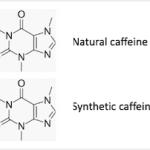
I stumbled across a paper by a group of German chemists from the University of Duisburg-Essen in the journal Analytical Chemistry which left me with mixed feelings.

The monster explosion that destroyed a good bit of Beirut was caused by the detonation of more than 2,700 tons of the fertilizer
From all around the country I hear from friends and colleagues who are bored out of their minds, scared half to death, or both. And, who could blame them? COVID COVID COVID COVID COVID COVID. We need a distraction.
I recently wrote about two products, both Lysol sprays, which got the nod from the EPA to make an anti-COVID claim, but noted that there
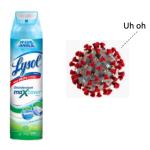
It's been pretty much impossible to buy a can of Lysol spray since the COVID nightmare began about seven months ago.
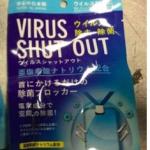
Although it is difficult to come up with many benefits from an unprecedented deadly global pandemic, there is one, albeit mostly inconsequential nugget that we junk science chasers at ACSH should at least acknowledge.

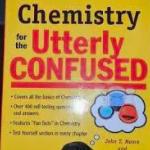
Q: What's worse than being in the middle of a coronavirus pandemic?
A: Being in the middle of a coronavirus pandemic and having to read about synthetic organic chemistry.
Yet, here we are, so pay attention.
ACSH relies on donors like you. If you enjoy our work, please contribute.
Make your tax-deductible gift today!


Popular articles

ACSH Podcasts