
Who's trying this with their sweetheart? ❤️🍓🍷
Food & Nutrition
Science-backed reporting on diet, nutrients, food systems, and how what we eat affects health — cutting through trends to examine what the evidence actually shows.

Rant: Aren't you just plain sick of people telling you what to eat? Enough already!

Body mass index (BMI) has been the dominant method for classifying obesity for more than half a century.
Join Cameron English and Dr. Chuck Dinerstein on Episode 154 of the Science Dispatch podcast as they discuss:

January 23rd is designated National Pie Day. I don't know why we need one, since pie is universally accepted as the perfect food, but at the very least, it provides an opportunity to learn all about pie: history, physics, and weaponization.
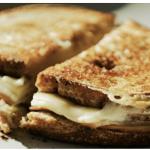
The timing is perfect. Today is National Cheese Day. So we are reprinting Dr. Joe Schwarcz's article about grilled cheese sandwiches. Enjoy.
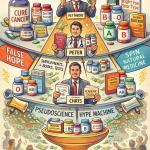
Peter D’Adamo is a naturopath with a thirst for trying his hand in different areas.


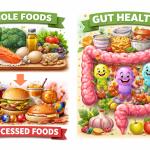
Much digital ink has been generated praising and condemning the long-awaited MAHA-driven dietary guidance.
ACSH relies on donors like you. If you enjoy our work, please contribute.
Make your tax-deductible gift today!


Popular articles

ACSH Podcasts