Josh Bloom – My Favorite Things in 2023

By Josh Bloom — Dec 26, 2023
My favorites of 2023, poor taste included.

My favorites of 2023, poor taste included.
My favorites of 2023, poor taste included.


Food loss and waste is a global concern. 30 to 40% of our annual production, 80 billion pounds of food, are wasted annually, or, in more human terms, 242 pounds per person. 22% of our landfills are filled with wasted food. A new study examines the intersection of environmental concerns and meat-related food loss.


Yours truly, Kris Kringle, has been informed that my fans are truly miffed because they haven’t seen me around lately. Truth be told, I am hiding out from the paparazzi, an occupational hazard of all the great and famous. But because you, my loyal ACSH fans, deserve to know. Truth be told, I am being sued.

For about a year, KinderFarms has been marketing a “non-toxic” pain and fever reliever for kids – except it’s really not non-toxic. What supposedly makes this medicine “safe” is the absence of “chemical preservatives.” Too bad. Had KinderFarms co-founder actress Jessica Biel put preservatives in her product, it might have been safer for us – and for her company’s bottom line.

Just in time for Christmas – Toxic Christmas Trees?
Vanilla
A child’s view of factory farms
What is nuclear power worth to you?


In this radio interview, Lars Larson and I discussed overeating and over-imbibing during the holidays, particularly focusing on the phenomenon known as "Holiday Heart Syndrome."

Why do penile fractures occur more often around holiday time? Beats me. Get ready to sing.
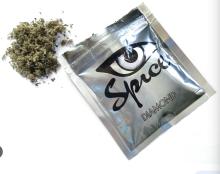
The DEA recently added six "new" synthetic cannabinoids to its Schedule I list of illegal drugs (aka Spice, K2, bath salts). Has doing this ever worked in the past? No. Will it work now? Of course not. There are plenty of reasons. Here are some of them. Plus, here's another Dreaded Chemistry Lesson from Hell for all you masochists.

This past week, Harvard’s T.H. Chan School of Public Health hosted a webinar on the putative dangers of ultra-processed foods (UPF). Let me share my recap.

Most respiratory viral diseases, like influenza, take their greatest toll on the ends of the lifespan, the frail elderly, and the not-quite-as-frail infants and toddlers. But COVID was different and had little impact on the mortality of the very young. A new study sheds some light on why.