Quack Alert! ACSH's Most Controversial Articles of 2017
ACSH is in the business of promoting evidence-based science and debunking junk science. That rubs some people the wrong way.
Given their substantial platform, Hollywood celebrities possess a unique ability to do tremendous good. Unfortunately, with that megaphone comes immense responsibility. Let’s take a look back at Tinseltown in 2017, and see what we've learned. The good, the bad and the indifferent.
Scientists cannot publish the same figure twice. Those are the rules. One group, however, tried to pull a fast one and had the same figure in eight papers. Eight! How did journal editors find out? Easy ... they emailed each other. Now, the papers are getting their due by being retracted.
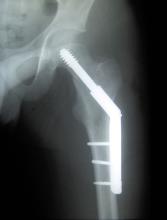
For the general population and its $6-to-8 billion supplement habit, we're learning that Vitamin D and Calcium supplements do not prevent hip fractures.
This year brought about a number of public debates surrounding not only less-mainstream medical conditions, but also others that were emotionally challenging and ethically complex. Check out which ones made this Top-10 list.
In this era of opioid denial, doctors are scrambling to find something that might work for pain patients – without the baggage associated with narcotics. One popular choice is Neurontin, which was originally approved for epilepsy. But the results simply aren't there.
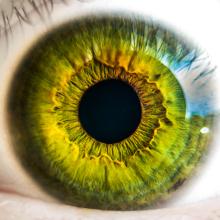
FDA-approved gene therapies is atop of the list of exciting health and science advances of 2017. Following in the wake of two cancer therapies approved earlier this year, a third therapy – this time for vision – received a thumbs-up just before the arrival of 2018.
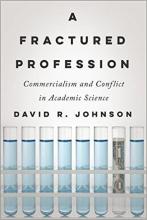
President Eisenhower's concern about the growing "military-industrial complex," referenced in his 1961 farewell address, became part of the cultural lexicon. But less well known is Ike's second warning, about manipulation of academia by political interests, which would change the nature of the “free university, historically the fountainhead of free ideas and scientific discovery.”
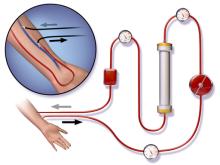
Individual states determine who receives emergency and standard dialysis when dealing with patients without insurance of any kind. Those decisions impact their lives – and our finances
Academic science is beginning to switch back to being more politically mainstream and with that change comes more mature beliefs about the private sector. And scholars are looking to corporations to fill funding gaps.