Understanding Our Faith in Science, Listening to 'On Being'

By Chuck Dinerstein, MD, MBA — Mar 29, 2017
Faced with the ever-growing, internet echo-chamber as well as the many other sources of information available to us, it's worth taking a moment to listen to the radio show, On Being. It is a restorative program that gives you the chance to enjoy the beauty of science, and the scientific enterprise. 

Faced with the ever-growing, internet echo-chamber as well as the many other sources of information available to us, it's worth taking a moment to listen to the radio show, On Being. It is a restorative program that gives you the chance to enjoy the beauty of science, and the scientific enterprise. 

Can Running Marathons Cause Kidney Damage?

By Jamie Wells, M.D. — Mar 29, 2017
A new study in the American Journal of Kidney Disease shows that acute damage to the organ can occur in marathon runners, of which there are more than 500,000 in the United States. But how significant is this work? Let's take a look.

A new study in the American Journal of Kidney Disease shows that acute damage to the organ can occur in marathon runners, of which there are more than 500,000 in the United States. But how significant is this work? Let's take a look.

Are Large Population Studies Worth The Cost?

By Hank Campbell — Mar 29, 2017
Given the media attention devoted to weak observational claims about health (miracle vegetables, chemophobia of the month) and the rampant mistrust of science that has resulted from them, it is worth asking if they're worth the expense. The answer: They probably are – but only for smaller programs. 

Given the media attention devoted to weak observational claims about health (miracle vegetables, chemophobia of the month) and the rampant mistrust of science that has resulted from them, it is worth asking if they're worth the expense. The answer: They probably are – but only for smaller programs. 

Bad Cholesterol: How Low Can We Go?

By Chuck Dinerstein, MD, MBA — Mar 29, 2017
The cholesterol goal posts are moving once again. The previous aggressive value of 70mg/dL is giving way to a new lower value because it has an acceptable safety profile, and further reductions in cardiovascular events.

The cholesterol goal posts are moving once again. The previous aggressive value of 70mg/dL is giving way to a new lower value because it has an acceptable safety profile, and further reductions in cardiovascular events.

A New Drug For Eczema: No Need to Scratch Your Head Here

By Josh Bloom — Mar 28, 2017
Those with severe eczema can suffer mightily from itching, which leads to scratching, which makes it worse. Anti-inflammatory steroids are the go-to drugs (but they have many nasty, long-term side effects). But an antibody drug named Dupixent, just approved by the FDA, works very well. So now you may be able to give your fingernails a rest.  

Those with severe eczema can suffer mightily from itching, which leads to scratching, which makes it worse. Anti-inflammatory steroids are the go-to drugs (but they have many nasty, long-term side effects). But an antibody drug named Dupixent, just approved by the FDA, works very well. So now you may be able to give your fingernails a rest.
 

IVF More Successful When Covered by Insurance

By Erik Lief — Mar 28, 2017
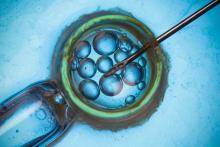
A new study in the Journal of the American Medical Association has found that women seeking to have a baby using in vitro fertilization "are more likely to give birth if they have health insurance that covers the procedure," as compared to women who don't have such coverage. 

A new study in the Journal of the American Medical Association has found that women seeking to have a baby using in vitro fertilization "are more likely to give birth if they have health insurance that covers the procedure," as compared to women who don't have such coverage. 

Don't Step On That Spider!

By Ruth Kava — Mar 28, 2017
Ischemic strokes (those resulting from a block in an artery feeding the brain) are responsible for much morbidity and misery. Difficulty in speaking or walking are but two of the possible results in those who survive the occurrence. New research from Australia presents a possible means of reducing such effects based on peptides found in the venom of a deadly spider.

Ischemic strokes (those resulting from a block in an artery feeding the brain) are responsible for much morbidity and misery. Difficulty in speaking or walking are but two of the possible results in those who survive the occurrence. New research from Australia presents a possible means of reducing such effects based on peptides found in the venom of a deadly spider.

Life In The NICU Just Got A Little Easier

By Julianna LeMieux — Mar 28, 2017
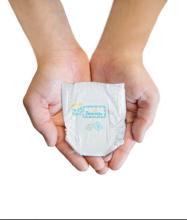
Nurses in the Neonatal Intensive Care Unit have their work cut out for them. Not only since they care for an extremely vulnerable population, but because they have to literally cut diapers to make them fit the smallest babies. But now two companies have designed specialized diapers with those babies in mind.

Nurses in the Neonatal Intensive Care Unit have their work cut out for them. Not only since they care for an extremely vulnerable population, but because they have to literally cut diapers to make them fit the smallest babies. But now two companies have designed specialized diapers with those babies in mind.

Tags:

Can Starbucks and Pizza Shops Prevent Deaths?

By Jamie Wells, M.D. — Mar 27, 2017
Researchers at the University of Toronto published a ranking of businesses they believe could move the needle to reduce deaths from sudden cardiac arrest.

Researchers at the University of Toronto published a ranking of businesses they believe could move the needle to reduce deaths from sudden cardiac arrest.

Why Some Scientists Are Bad at Their Jobs

By Alex Berezow, PhD — Mar 27, 2017
Scientists are humans, too. And just like other humans you know, some of them aren't very good at their jobs. There are three main ways in which scientists can mess up. Here's how.

Scientists are humans, too. And just like other humans you know, some of them aren't very good at their jobs. There are three main ways in which scientists can mess up. Here's how.