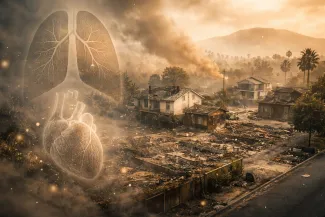
January 7, 2026, marks one year since the catastrophic wildfires in Los Angeles. Rebuilding is slow, and more than 70% of displaced residents have not returned. Many people were exposed to toxins linked to a range of health effects, with the long-term effects currently under study.
Cleanup Was Swift — Recovery Is Not
My previous articles discussed how the EPA was responsible for the first phase of the clean-up, removing hazardous waste, and the U.S. Corps of Engineers carried out the second phase, debris removal. Both Agencies worked quickly. Hazardous waste and debris removal was completed in record time, 2.5 million tons of debris were cleared from 10,000 properties as of August 2025.
Although debris removal may have been fast, rebuilding has been slow and uneven. Far too few homes have been rebuilt. Many people cannot afford to rebuild because they were uninsured or underinsured, or they received insufficient payouts. The tragic reality for many families is still ongoing.
What Made the LA Fires Different
Almost every year in California, there is a wildfire season during which many trees and vegetation burn. Residents of the burn area experience health effects from the smoke of the fires. What made the LA fires fundamentally different was that, in addition to burning trees and vegetation, they also burned everything found in the urban environment, including houses, cars, plastics, electronics, and synthetic textiles.
It is too early to know whether the additional materials burned in the LA fires will cause long-term health effects that differ from those in traditional wildfires, but a year after the fire, clear health effects have been observed.
Health Effects Observed One Year Later
Some health effects commonly seen from wildfires are also seen in the LA fires:
Respiratory: Fine particulate matter in wildfire smoke is the primary cause of the rise in respiratory illnesses. These particles are very small and consist of a mixture of carbon/soot, sulfate, nitrate, ammonium, and metals, including cadmium and zinc. They can penetrate the lower airways and trigger inflammatory reactions in the lungs.
Short-term effects include coughing, sore throat, itchy eyes, and wheezing, as well as flare-ups of symptoms in chronic conditions such as asthma and chronic obstructive pulmonary disease (COPD). Longer-term exposure may cause inflammation of the respiratory airways and lung damage.
Exposure to wildfire smoke has been correlated with increased emergency room visits, physician visits, and hospitalizations, especially among people with pre-existing respiratory disease. This was clearly evident after the LA fires. A study at Cedars-Sinai Hospital compared emergency room visits 90 days after the fires with visits during the same period in 2024. Although total emergency room visits did not differ, there was an 118% increase in visits for general illness and a 24% increase in visits for pulmonary illness.
Cardiovascular: Similar to respiratory illness, fine particulate matter appears to be the main cause of cardiovascular events associated with wildfire smoke, leading to inflammatory responses, oxidative stress, and blood-vessel constriction.
Exposure to wildfire smoke is linked to a higher risk of cardiovascular events, including heart attacks and strokes. Older adults and those with pre-existing cardiovascular disease are at greatest risk. The Cedars-Sinai Hospital study reported a 46% increase in heart attack visits after the fires.
Mental health: Mental health issues are often underreported and underappreciated. Experience from past wildfires has shown that they take a toll on the mental health of those directly affected by the fires, as well as those in the community.
One study examined emergency room visits for anxiety in five western states after wildfires and found that within 48 hours of exposure to wildfire smoke, people were more likely to visit the emergency room for anxiety, with the greatest impact among women, girls, and the elderly. Another study examined prescriptions for psychiatric medications in the six weeks before and after wildfires and found a significant increase in antidepressants, anxiety medication, and mood stabilizers after the fires.
The toll from this fire is expected to be worse than that of traditional wildfires because of the large number of people who lost their homes and the stress of relocating or rebuilding. Post-traumatic stress disorder is expected among people who were evacuated from the fires.
Exposure: What Researchers Are Finding
The magnitude of the LA fires presents a unique opportunity for researchers to study the long-term impacts of urban fires. Researchers from the LA Fire HEALTH Study were on the ground in LA from the start, examining the toxins released by the fires and planning to study their long-term health implications for years to come.
Among their preliminary findings:
- Increase in fine particulate matter inside homes during the wildfires, including homes located more than two miles from the burn area.
- Levels of volatile organic chemicals (VOCs) [1] in the days and weeks after the fire were four to five times higher inside empty homes in the burn area than outdoors, likely because fabrics and furniture absorbed smoke during the fire and then released VOCs afterward. VOC levels outdoors increased during the fires but generally remained below EPA exposure thresholds.
- High lead levels were detected in the air and soil in the burn area.
Building for Resilience without Sacrificing Affordability
The LA Fire HEALTH Study and related research will ultimately help public health officials understand how urban fire exposures differ from those of traditional wildfires and how to mitigate long-term risks. The larger question, however, extends beyond toxicology.
How should cities rebuild in fire-prone regions?
Policy makers face exceedingly difficult challenges over the longer term because fires, either traditional wildfires or urban fires, are not going away. There are steps that can meaningfully impact the resiliency of homes, such as building more fire-resistant roofs, stainless steel framing, and heat-resistant glass for windows, but their costs run counter to the goal of making homes more affordable.
The LA fires may become a watershed moment similar to Hurricane Katrina, which fundamentally reshaped flood management and rebuilding regulations in New Orleans. One year later, the debris is gone, and the smoke has cleared. But the health, economic, and policy consequences are still unfolding.
[1] VOCs are a group of organic chemicals that include benzene, toluene, xylene, styrene, and naphthalene.

Susan Goldhaber MPH
Susan Goldhaber, M.P.H., is an environmental toxicologist with over 40 years’ experience working at Federal and State agencies and in the private sector, with an emphasis on issues concerning chemicals in drinking water, air, and hazardous waste. Her current focus is on translating scientific data into usable information for the public.