Non-GMO Project Endorses Seedless Watermelon, Undermines Its Business Model

By Cameron English — Jul 13, 2022
The Non-GMO Project recently reassured its Twitter followers that seedless watermelon is not genetically modified. The only problem is that this delicious summer treat is a "GMO"—and it undermines the project's dubious business model.

The Non-GMO Project recently reassured its Twitter followers that seedless watermelon is not genetically modified. The only problem is that this delicious summer treat is a "GMO"—and it undermines the project's dubious business model.

Anti-GMO Groups Deflect Blame for Sri Lanka's Organic-Only Disaster

By Cameron English — Jul 13, 2022
Anti-GMO, anti-pesticide groups have tried to distance themselves from the political instability in Sri Lanka, fueled in large part by the disastrous organic-farming policies they told the country to pursue.

Anti-GMO, anti-pesticide groups have tried to distance themselves from the political instability in Sri Lanka, fueled in large part by the disastrous organic-farming policies they told the country to pursue.

Hypertension and Diet: A Chinese Perspective

By Chuck Dinerstein, MD, MBA — Jul 13, 2022
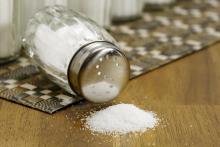
The Chinese use quite a bit more salt in their diet than in Western diets, so a new study looking at reducing the incidence of hypertension by dietary reductions in salt in China should be thought-provoking. It is.

The Chinese use quite a bit more salt in their diet than in Western diets, so a new study looking at reducing the incidence of hypertension by dietary reductions in salt in China should be thought-provoking. It is.

'Every Offering of Your Grain Offering, You Shall Season with Salt'

By Chuck Dinerstein, MD, MBA — Jul 13, 2022
I wrote the other day about a study from China on the effect of dietary salt on blood pressure. The study was unique in that it distinguished four regional Chinese cuisines. This got me thinking about whether salt use varies among American cuisines and regions. The standard narrative is that the salt in our heavily processed foods is a significant factor in the nearly 50% prevalence of high blood pressure—but then I ran across this study.

I wrote the other day about a study from China on the effect of dietary salt on blood pressure. The study was unique in that it distinguished four regional Chinese cuisines. This got me thinking about whether salt use varies among American cuisines and regions. The standard narrative is that the salt in our heavily processed foods is a significant factor in the nearly 50% prevalence of high blood pressure—but then I ran across this study.

Finding Your Next Glass of Water

By Susan Goldhaber MPH — Jul 13, 2022
Americans expect that when the tap is turned on, fresh drinking water comes out. This expectation is increasingly questionable. There is a water crisis in the U.S. The increase of severe droughts in the southwestern U.S. has led to very low levels in lakes, rivers, and groundwater across the area. Water shortages are already common and expected to worsen in the coming years. What are we to do?

Americans expect that when the tap is turned on, fresh drinking water comes out. This expectation is increasingly questionable. There is a water crisis in the U.S. The increase of severe droughts in the southwestern U.S. has led to very low levels in lakes, rivers, and groundwater across the area. Water shortages are already common and expected to worsen in the coming years. What are we to do?

Paxlovid-Resistant Covid 'Discovered' Should We Worry?

By Josh Bloom — Jul 12, 2022
A new paper reports that Paxlovid-resistant Covid has been isolated, calling into question the utility of the drug as well as how it should be used. Is this cause for alarm? Not yet, but it could become just that. A look at viral resistance to drugs.

A new paper reports that Paxlovid-resistant Covid has been isolated, calling into question the utility of the drug as well as how it should be used. Is this cause for alarm? Not yet, but it could become just that. A look at viral resistance to drugs.

Seaweed as an Additive and Whole Food

By Jane Caldwell, Ph.D. — Jul 12, 2022
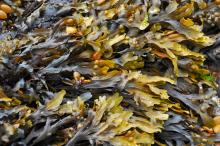
You already eat seaweed but probably don’t know it. Seaweeds are multicellular macroalgae used as functional ingredients, a food additive. Hydrocolloids derived from seaweeds provide texture and structure, prevent the melting of frozen foods, providing edible coatings or other desirable properties to foods as different as ice cream, apples, and bread. No longer considered just an additive, seaweed is poised to enter the US market as a whole food due to its nutritive attributes, potential economic benefits, and unique cultivation requirements.

You already eat seaweed but probably don’t know it. Seaweeds are multicellular macroalgae used as functional ingredients, a food additive. Hydrocolloids derived from seaweeds provide texture and structure, prevent the melting of frozen foods, providing edible coatings or other desirable properties to foods as different as ice cream, apples, and bread. No longer considered just an additive, seaweed is poised to enter the US market as a whole food due to its nutritive attributes, potential economic benefits, and unique cultivation requirements.

Podcast: Chemicals Don't Cause Obesity; Does An Omicron Booster Make Sense?

By Cameron English — Jul 11, 2022
Environmental Working Group claims that "obesogenic" chemicals are helping to make everybody fat. Is EWG correct? Next, do we need a COVID booster shot that specifically targets Omicron sub-variants?

Environmental Working Group claims that "obesogenic" chemicals are helping to make everybody fat. Is EWG correct? Next, do we need a COVID booster shot that specifically targets Omicron sub-variants?

The 'GMO Industry' Just Wants To Sell Pesticides? Anti-Biotech Activists Wrong Again

By Cameron English — Jul 11, 2022
Do biotech companies lie about the pesticide-saving benefits of genetically engineered crops? The activist group GM Watch says yes. Do they have a convincing case? Nope.

Do biotech companies lie about the pesticide-saving benefits of genetically engineered crops? The activist group GM Watch says yes. Do they have a convincing case? Nope.