Squeezing Science out of Squishies
They're cute, they're squishy, they're meant to be stress-relieving. But the "squishy" toy is causing a lot of stress. This is why.

Lately, I’ve been thinking about new approaches to antibacterial therapy. But I keep going back to some old family history ...
A global pandemic remains an existential threat, and experts believe it is a case of when, and not, if. The BBC, in conjunction with the University of Cambridge, created a smartphone app that very well may save lives by improving our model of how infectious diseases spread.
Crickets have just one short season to reproduce. Can they shed light on a theory of aging, which holds: We use so much energy to reproduce, that we have little left over to stop our decline?
Tannins are responsible for the dark color you sometimes get in tea, and they also account for tea's possible health benefits. They are actually light-colored, but when tannins react with iron they form inky complexes. But don’t worry, it is perfectly safe.
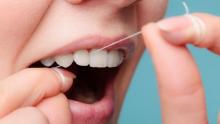
A recent study, purporting to show that “toxic” chemicals from some types of dental floss are ending up in the flossers' bloodstream, does not actually provide evidence for the claim. So don’t give up flossing!
There's a reason that it's a running joke. You know, the one that medical students go through a phase when they think they actually have every disease they study. But for those not in the profession, preoccupation with illness is reaching unhealthy levels.
The effects of a changing landscape on our friend, the bee, once again points at the subtle and not-so-subtle changes that can ripple through the ecosystem.
Coffee is touted as a prevention remedy or for countless (and unrelated) diseases and conditions. One that isn't on that list is asthma. So, is coffee useful for asthmatics? Scientifically it should be. But you would need to drink a ghastly amount of it. (And at no extra charge we include the always-popular "Chemistry Lesson From Hell.")
Policymakers, providers, insurers and employers continue to complain that the U.S. must curtail spending on drugs to slow down the ever-growing cost of health care. Yet they’re not taking advantage of an innovation that's available to them -- and one that's saving the European Union massive sums.