What the Law and Bioethics Tell Us About Synthetic Human Embryos

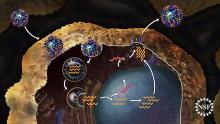
A synthetic embryo can now be constructed from very early pre-embryonic cells – without the need for an egg or sperm. These were initially created in mice. In April, Chinese researchers created synthetic monkey embryos. Last month, the first synthetic human models were reportedly created. This development throws a moral monkey-wrench into the current moratoria on embryonic research after 14 days. But there are more problems ahead.

A synthetic embryo can now be constructed from very early pre-embryonic cells – without the need for an egg or sperm. These were initially created in mice. In April, Chinese researchers created synthetic monkey embryos. Last month, the first synthetic human models were reportedly created. This development throws a moral monkey-wrench into the current moratoria on embryonic research after 14 days. But there are more problems ahead.
The COVID-19 Pandemic is Over. What Was the Damage?

By Fred Lipfert, PhD — Aug 10, 2023
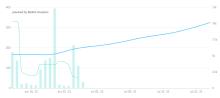
COVID-19 has drifted away from public view, and current outcome rates have been submerged into statistical noise. So it seems to be a good time to tote up where we have been, and the total impacts on public health.

COVID-19 has drifted away from public view, and current outcome rates have been submerged into statistical noise. So it seems to be a good time to tote up where we have been, and the total impacts on public health.

Tags:

What I'm Reading (Aug. 10)

By Chuck Dinerstein, MD, MBA — Aug 10, 2023
Is the “moral injury” experienced by physicians self-inflicted? Even chocolate is a monopoly No Brown M&Ms The power of checklists

Is the “moral injury” experienced by physicians self-inflicted?
Even chocolate is a monopoly
No Brown M&Ms
The power of checklists

A New COVID Surge Has Begun. The Timing Is Bad.

By Henry I. Miller, MS, MD — Aug 10, 2023
There are upticks in early indicators of a COVID surge, including hospitalizations, test positivity, and SARS-CoV-2 concentrations in wastewater. And a new Omicron subvariant is rapidly gaining in prevalence. We need to prepare.

There are upticks in early indicators of a COVID surge, including hospitalizations, test positivity, and SARS-CoV-2 concentrations in wastewater. And a new Omicron subvariant is rapidly gaining in prevalence. We need to prepare.

California’s Cap and Trade Experiment

By Chuck Dinerstein, MD, MBA — Aug 09, 2023
The Golden State instituted a program to reduce carbon emissions to 40% below 1990 levels (the cap), by providing carbon credits to account for those excess carbon emissions (the trade). Economists worried that the job loss associated with industries with excess carbon emissions would not be offset by increasing jobs in “green” industries. A new study reports mixed results.

The Golden State instituted a program to reduce carbon emissions to 40% below 1990 levels (the cap), by providing carbon credits to account for those excess carbon emissions (the trade). Economists worried that the job loss associated with industries with excess carbon emissions would not be offset by increasing jobs in “green” industries. A new study reports mixed results.

Taking My Blood Pressure

By Chuck Dinerstein, MD, MBA — Aug 08, 2023
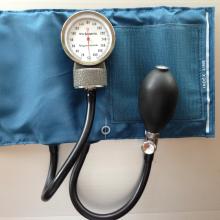
I’ve been visiting doctors lately, and my blood pressure has been recorded many times. Some days it is 140/80; other days, it is 200/110. Why could that be? And what does it tell us about healthcare and BIG DATA?

I’ve been visiting doctors lately, and my blood pressure has been recorded many times. Some days it is 140/80; other days, it is 200/110. Why could that be? And what does it tell us about healthcare and BIG DATA?

CNN: Dear Slobs: Stop Blowing Out Candles on Cakes! I Concur.

By Josh Bloom — Aug 08, 2023
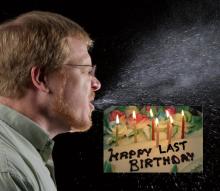
Blowing out candles on a birthday cake. Blah! You'd think this wretched ritual would have disappeared long ago, especially once Covid made its appearance. But people are still doing it. Furthermore, the science to determine whether this practice can make you sick is faulty. Have a strong stomach.

Blowing out candles on a birthday cake. Blah! You'd think this wretched ritual would have disappeared long ago, especially once Covid made its appearance. But people are still doing it. Furthermore, the science to determine whether this practice can make you sick is faulty. Have a strong stomach.

Are We Facing Another Coronavirus-Like Viral Pandemic?

By Henry I. Miller, MS, MD — Aug 08, 2023
Although COVID-19 is giving us a temporary respite, influenza in humans and animals remains a serious threat. Its deadly H5N1 strain is spreading geographically and in more species of mammals, making the emergence of a pandemic strain more likely. We need to prepare.

Although COVID-19 is giving us a temporary respite, influenza in humans and animals remains a serious threat. Its deadly H5N1 strain is spreading geographically and in more species of mammals, making the emergence of a pandemic strain more likely. We need to prepare.

Vaping as a Gateway ... to Cigarette Smoking?

By Chuck Dinerstein, MD, MBA — Aug 07, 2023
As fewer individuals pick up cigarettes, more are picking up vape cartridges. Over time, some smokers move on to vaping, while some vapers move on to smoking; the gate swings in both directions. Does perhaps the gate swing more one way or another? Authors of a new study offer what they've learned.

As fewer individuals pick up cigarettes, more are picking up vape cartridges. Over time, some smokers move on to vaping, while some vapers move on to smoking; the gate swings in both directions. Does perhaps the gate swing more one way or another? Authors of a new study offer what they've learned.

How Bad is Antibiotic Resistance Today? An Interview with Dr. David Shlaes.

By Josh Bloom — Aug 06, 2023
A recent article in USA Today proclaimed that we are *this* far away from no longer having working antibiotics, a cataclysmic development that would pose "an existential threat for modern medicine." Is this really true? Let's ask Dr. David Shlaes, one of the foremost experts in the world of antimicrobial science.

A recent article in USA Today proclaimed that we are *this* far away from no longer having working antibiotics, a cataclysmic development that would pose "an existential threat for modern medicine." Is this really true? Let's ask Dr. David Shlaes, one of the foremost experts in the world of antimicrobial science.