The World Isn't Scared of GMOs Anymore
Is the "GMO debate" finally over? A new study indicates the end might be near.
When Will Smith slapped Chris Rock at the Oscars for making a joke about his wife’s bald head, it brought attention to a disease that is often invisible, misunderstood, or treated as a punchline for jokes: alopecia areata. What is this disease? Why does it create such intense feelings that Will Smith lost all control on stage in front of millions?
Polling the population for their opinions and views has a long history. But are we most informed by the opinions categorized by race and gender, or might we learn more by viewing thoughts among like-minded individuals – like birds of a feather? A new study suggests how we consider how we cluster and flock.
Claims made on food packaging have been increasingly scrutinized, resulting in a precipitous rise in class action lawsuits against food manufacturers. Food activists and consumer advocacy groups view litigation as a means of protecting consumers from deceptive marketing and greenwashing by large food manufacturers. On the other hand, food manufacturers may view this as a form of extortion, using the threat of court costs and legal fees for out-of-court monetary settlements.
The big news for Chernobyl watchers was learning that Russian forces packed up and left – with several news sources claiming that some Russian troops had developed acute radiation sickness (ARS) and one article claiming at least one had died. The Ukrainian government has contacted the International Atomic Energy Agency (IAEA) about returning the plant to regulatory controls, which is a good thing. But there’s still that nagging question – did the Russian troops really get radiation sickness?
Dr. Fauci, along with two of his colleagues, writes in a journal on the concept of herd immunity and COVID-19. Buckle up; it will be a bumpy ride, at least in the media.
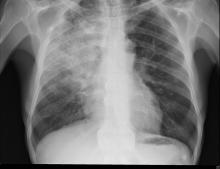
Pneumonia is a relatively common problem resulting in antibiotics and the need, in some cases, for hospitalization or intensive care. Can physicians follow guidelines that deliver optimal care and reduce cost? Intermountain Healthcare offers a "yes."
Crappy studies on the alleged harm of artificial sweeteners are about as common (and valuable) as a wad of gum stuck under a school chair. Yet, here's another claiming that consumption of artificial sweeteners, especially aspartame and acesulfame-K, are associated with cancer. Shall we dismantle it? I say yes.
The proposed Purdue bankruptcy plan has its champions and its detractors. Many bemoan usurping the victim’s rights to confront the bankruptcy debtor. Others see bankruptcy as a chance to provide some compensation to those injured in a rapid and streamlined fashion, guaranteeing recovery funds are available while allowing the concern to continue operating, providing an orderly resolution so that business might continue, preserving jobs and some revenue.
Daily COVID-19 cases reached an all-time high in February and then descended as rapidly as they had surged, with the Omicron variant in full swing. Mask rules were eased as the media featured reports of double-digit percentage decreases in infections and hospitalization, implying that Omicron infections may be less severe than with the previous Delta variant. Meanwhile, vaccination rates remained stalled in some recalcitrant states, and thoughts of a 4th booster program appeared. Who knows what evil still lurks in the heart of the virus?