The Genetics of Bitterness
A group of researchers studying drinks seeks a genetic source of our taste. And one important questions emerges: Are some people genetically wired to drink bitter or sweet beverages more often?
Who better to tell us what drives our choice in foods than marketers? We pay more attention to those front-of-the-package claims than to the nutritional information hidden on the back. What a surprise.
It's hayfever season, and this year it's brutal. People will be buying all kinds of drugs to stop sneezing and dry up runny noses, but most of them won't work very well. And if you dare wander into the abyss of online decongestants, you better read this article. That is, if you want to understand the thousands of products (mostly bad) that companies are hawking. This is nothing to sneeze about.
Digital health is coming, and many services are already coming to a smartphone near you. As the first guidelines from the World Health Organization indicate, the obstacles aren't technological. They're regulatory.
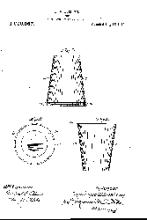
The disposable cup was meant to be a public health initiative. But over time it has become a societal concern, just like plastic bags.
A couple of years ago Panera Bread went crazy. Those high up in the corporation decided that selling really great tasting food was no longer a sufficient strategy. No, they reasoned, if Panera Bread wanted continued success it needed to go on a full-frontal assault against science.
Time for another hideous chemistry lesson. No one requested a tutorial on this interesting metal. But guess what -- you got one anyhow! Palladium, named after a Greek goddess and worth more than gold, also keeps our air clean. There's plenty of interesting stuff you'll learn here (if you can stand to read this).
A 2018 Washington Post article addressed the methods we use to breed food crops. But it suffered from a common shortcoming -- “pseudo-balance” -- or the seeking out of clueless commentators to contradict advocates of superior modern genetic modification techniques. We hate to break it to the author, but in spite of what they teach you in journalism classes, not every issue benefits from point-counterpoint.
As banning plastic -- especially bags -- becomes "a thing," biodegradable or cloth bags are taking their place. But how degradable are they?
Different people respond to cannabis in different ways, making a blood THC level difficult to legislate.