Study Raises Questions About Anti-Vaping Bias at FDA
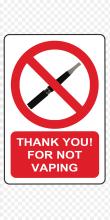
A new study sheds light on a worrying trend at the Food and Drug Administration: the agency appears to be funding low-grade vaping research and using it to justify strict e-cigarette regulation.
Marijuana is being decriminalized across the US. Most are celebrating, but there is a real (and sometimes serious) public health threat that tags along. Most of you will be unaware of what you're about to read. Dr. Roneet Lev, the former head of the Scripps Mercy Hospital emergency department and also an addiction specialist shares some eye-opening information in the following interview.
Searching for a better way to explain health and science.
Parasites, friend or foe?
Does reading a newspaper make us better informed?
Britain may soon approve a gene-edited tomato that boosts vitamin D intake. Let's take a look at the science and politics surrounding this important development.
According to the Office of the Inspector General of Health and Human Services, 1 out of every 4 Medicare beneficiaries admitted to the hospital in 2018 experienced harm. Do I have your attention? Good, because the reality may be quite different when you know more about the study underpinning that headline.
On Episode 3 of the ACSH Science Dispatch Podcast, we examine how food shortages caused by the Ukraine war have pressured Europe to abandon its long-held GMO phobia. Is this the silver lining of a tragic situation? We then discuss the value of pesticides, using a recent NPR story about giant spiders as a springboard.
You can be blindfolded, throw a stone, and probably hit a writer who gets the opioid crisis all wrong. Today, let's throw one at German Lopez of The New York Times.
Every year there are approximately 400,000 medication errors involving hospitalized patients. Many are medications given at the wrong time or not at all. Of those 400,000 somewhere between seven and 9,000 [1] of those errors result in the death of a patient. RaDonda Vaught, a nurse employed at the Vanderbilt University Medical Center, caused the death of a patient with a medication error. I have been thinking about Ms. Vaught a lot lately.
COVID has made travel more difficult. Between a shortage of pilots and other staff, changeable weather, and varying mask rules, travel days between one place and another are often grueling. I know because I just finished a bit of an extended vacation. The CDC’s current guidance is not especially helpful.
A recent study has helpfully advanced our understanding of sudden infant death syndrome (SIDS). Some journalists exaggerated the paper's results in their rush to publish stories. Fortunately, other reporters helpfully and publicly corrected the errors. This is how the media should always operate.