What I'm Reading (Feb. 8)
Are you better off now than before? It depends
Illegal markets in sand
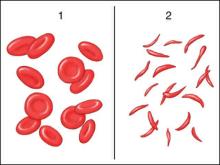
A Beginner’s Mind Looks at Immunology
The political philosophy of Silicon Valley
Are you better off now than before? It depends
Illegal markets in sand
A Beginner’s Mind Looks at Immunology
The political philosophy of Silicon Valley
Drug development can be hazardous. Recently, a California court held that product users could sue the drug manufacturer, Gilead, for negligence in failing to commercialize a product different from the one they used. Two conditions are yet to be proven to sustain their claim: that Gilead had actual knowledge the new product was safer and that the decision was solely financially driven. But, even if those facts are proven, they are still not enough to sustain a lawsuit.
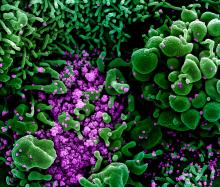
The arrival of the next pandemic is a matter of when, not if. In order to be prepared for it, we will need government-funded basic science in universities and the collaboration of drug companies experienced in vaccine research and development. A "universal" vaccine – one that protects against infections by both existing and new variants – would be an important advance.
This article may sound stupid (and for good reason), but it's actually an interesting lesson in chemistry and enzymology. Will you dismiss it outright as another example of another moronic Bloom offering, or wonder why some simple chemistry can explain why pee is yellow and poop is brown? I suggest the latter. Makes for good bathroom reading.
Here's an article I co-authored with Emily Hemendinger for The Conversation. You can find the original version at the link at the bottom of the article.
The Glucose Goddess is a prominent Instagram health influencer. Her real name is Jessie Inchauspe, and she has a master’s degree in biochemistry. She’s made her fame on social media by preaching about blood sugar and health. She’s the quintessential social media influencer: she sells books, courses, and recipes. Basically, everything except supplements … until now!
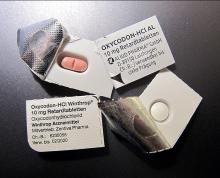
Do opioids effectively control moderate-to-severe cancer pain? A recent review of the evidence says yes, though the press release for the study says otherwise, its headline declaring that the efficacy of opioids against cancer pain remains "unclear." Both statements can't be true, so which one is false?
In January, the USDA published its 2024 Pesticide Data Program, covering the 2022 production period. It illustrates that more than 99 percent of the 8,512 fruits and vegetables sampled had residues below the established EPA tolerances. And 27.6 percent had no detectable residue.
One of the most salient features of the communication around the COVID epidemic has been fear. This includes the fears of public health officials in trying to flatten the curve. And the equally-fearful messaging of proponents of the Great Barrington Declaration or the anti-vaxxers, who say that our economy was being destroyed and our minds and bodies were being controlled. A study delves into the dynamics of communication, particularly focusing on the role of fear and warnings.
The advances in medical practice since World War II have been stunning, and they continue apace. Some of the existing and anticipated ones are discussed here and in Part 2.