It's Not Just the Flu: Many Infectious Diseases Are Seasonal
Polio peaks in the summer, measles during the school year, and chickenpox in the spring.
One of our core missions is to spread the good news about science as far and wide as possible. Obviously, we do plenty of that on the ACSH website, but we also regularly appear in various media outlets across the country. Here's where we appeared recently.
Antibiotics expert Dr. David Shlaes has been fighting two very tough fights for more than three decades. One is against increasingly dangerous antibiotic-resistant bacteria; the other, against complacency. This American Council advisor is deeply concerned that antibiotic research and development is not even remotely adequate for keeping up with the bugs.
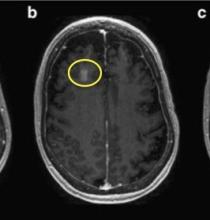
The brain has evolved a method of protecting itself called the blood-brain barrier. But the BBB can backfire when it prevents drugs to treat brain diseases – for example, a malignant brain tumor – from reaching the site of the disease. Science has come up with some clever methods for defeating the brain's own defenses.
The litany of new problems these glorified billing platforms have created (and old ones they never solved) is discussed often today, ranging from their role in medication errors to job dissatisfaction. But, the most basic, fundamental harm is largely ignored.
The prevalence of cigarette smoking among American adults is at an all-time low. Many media outlets decided to downplay or ignore this milestone public health achievement and instead scare people about vaping.
Rare diseases are becoming the focus of more and more biomedical research. And the cost of developing medicines to treat them takes center stage in the discussion. A new article in JAMA concludes that clinical trials for rare diseases should cost less than those that require a larger number of patients. But it's not that simple. Pfizer's Dr. Robert Popvian explains.

Did you know all falls are not alike, and why that is the case? Or why every rib fracture is not the same? Here are a few factors that influence prognosis.
It's ironic that a great science fiction story could be responsible for some of the science fiction passed off as health and science news today. The effect of that radio broadcast on our citizenry continues to be felt today.
Not only did Americans vote on members of Congress this week, but citizens of several states also voted on various science- and health-related policy issues. How did those turn out? On the upside, an anti-fracking law was defeated. On the downside, workplace vaping was banned and bogus medical marijuana laws passed.